


Covering the main grades of 1-7 series aluminum alloys, the products are high-precision seamless tubes, rods, profiles, drawn tubes, forgings, etc., widely used in new energy vehicles, aerospace, ships, UAVs, robots, security video surveillance, in-vehicle Internet of Things and other fields.
Exploring the Versatility of 7050 Aluminum Alloy: A Comprehensive Guide
The 7050 aluminum alloy is part of the 7000 series, which is known for its remarkable strength and resistance to corrosion. It primarily consists of zinc as the main alloying element, along with small amounts of magnesium and copper. This unique composition gives the 7050 alloy its characteristic high strength-to-weight ratio, making it an ideal selection for applications where both durability and
May 19,2026
One of the most significant features of 7050 aluminum alloy is its excellent mechanical properties. It exhibits high tensile strength and yield strength, which are critical in structural applications. These properties make it especially valuable in the aerospace industry, where components must withstand extreme stress and varying environmental conditions. The alloy’s ability to maintain its mechanical integrity at elevated temperatures further enhances its usability in demanding applications.
In addition to its strength, 7050 aluminum alloy boasts impressive resistance to stress corrosion cracking. This property is particularly important in aerospace and marine environments, where exposure to moisture and varying temperatures can lead to material degradation. The corrosion resistance of 7050 enables manufacturers to produce components that require less maintenance and have a longer lifespan, ultimately leading to cost savings over time.
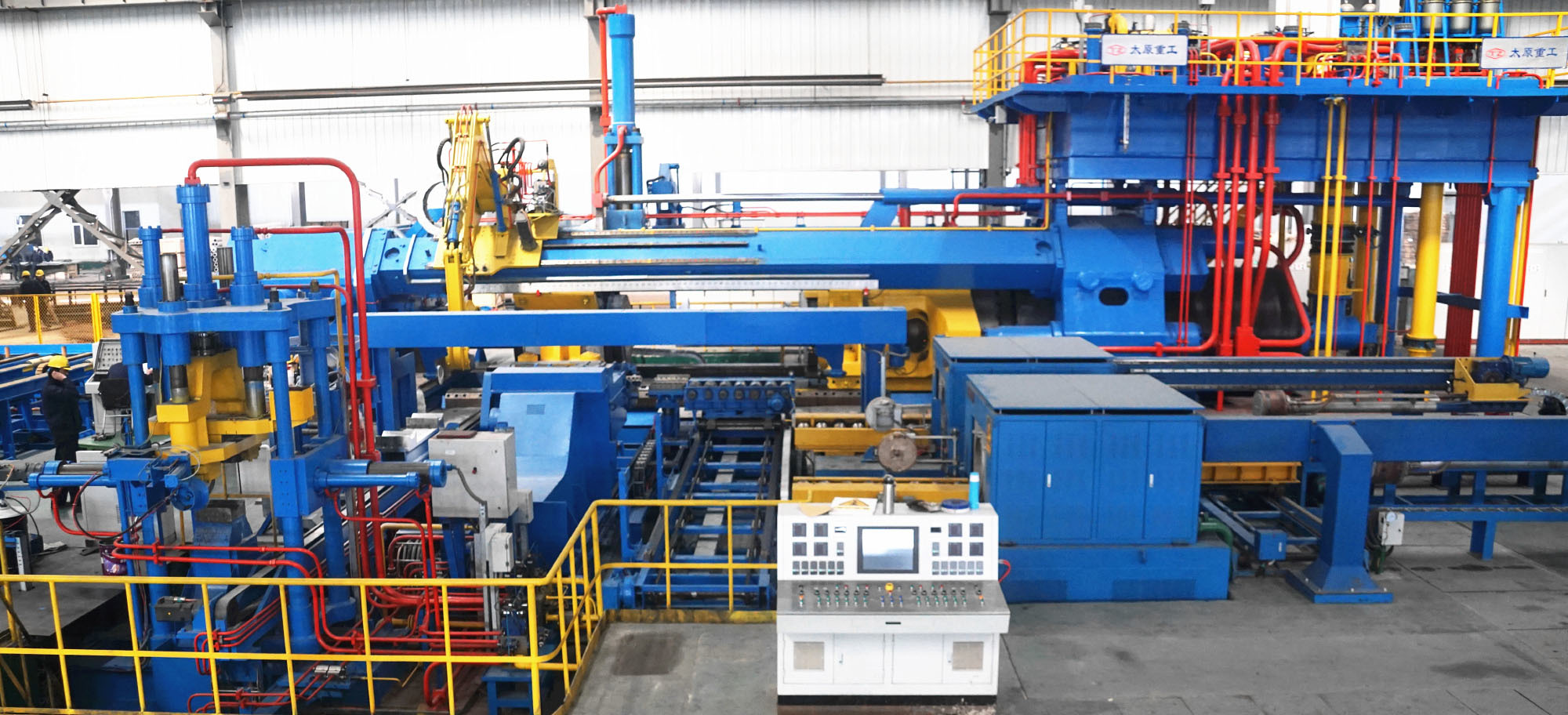
The fabrication of 7050 aluminum alloy is another aspect that contributes to its popularity. It can be effectively processed through conventional methods such as machining, welding, and extrusion. However, it’s crucial to implement proper techniques to avoid stress concentrations during these processes, ensuring the alloy retains its advantageous properties.
Applications of 7050 aluminum alloy are diverse and include aircraft structures, truck frames, and high-stress automotive components. Its strength and lightweight nature allow engineers to design more efficient structures without sacrificing safety. Additionally, the automotive industry benefits from this alloy in the production of components that enhance fuel efficiency by reducing overall vehicle weight.
Overall, the 7050 aluminum alloy stands out for its combination of strength, corrosion resistance, and ease of fabrication. Its versatility makes it an essential material for engineers and manufacturers across multiple sectors. As industries continue to evolve, the demand for high-performance materials like 7050 aluminum alloy is likely to increase, driving innovations in its applications and processing techniques. Understanding its properties and advantages can help businesses make informed decisions when selecting materials for their projects.
Latest Developments








If you are interested in our products, please leave your E-mail and we will contact you as soon as possible. Thank you!