


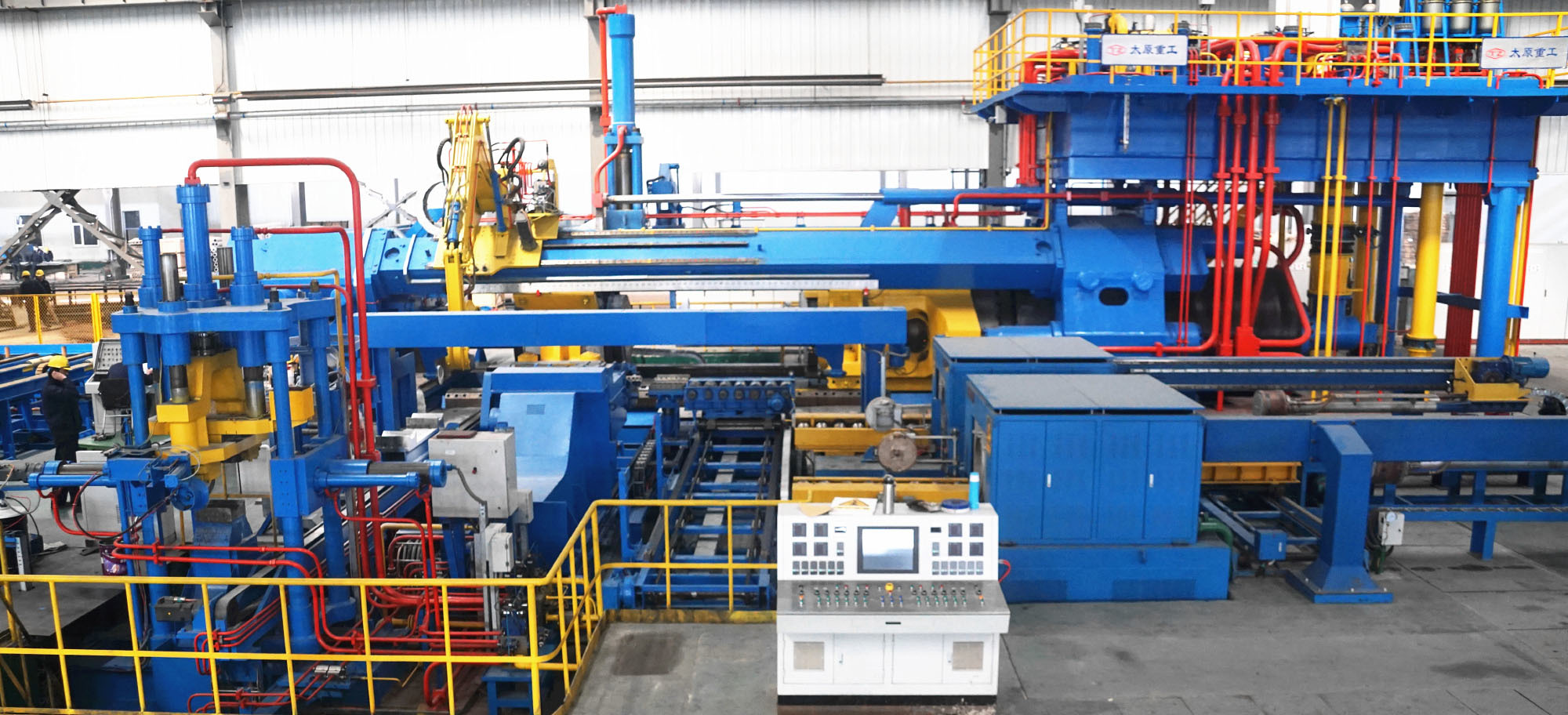
Covering the main grades of 1-7 series aluminum alloys, the products are high-precision seamless tubes, rods, profiles, drawn tubes, forgings, etc., widely used in new energy vehicles, aerospace, ships, UAVs, robots, security video surveillance, in-vehicle Internet of Things and other fields.
The Impact of 2618 Aluminum Alloy on Food and Beverage Packaging: A Comprehensive Analysis
The Impact of 2618 Aluminum Alloy on Food and Beverage Packaging Introduction to Aluminum Alloys in Packaging The packaging industry plays a crucial role in preserving the quality and safety of food and beverages. Among various materials used, aluminum alloys stand out due to their exceptional properties. One of the most notable alloys is **2618**, which has significantly impacted the packaging se
May 14,2026
The Impact of 2618 Aluminum Alloy on Food and Beverage Packaging
Introduction to Aluminum Alloys in Packaging
The packaging industry plays a crucial role in preserving the quality and safety of food and beverages. Among various materials used, aluminum alloys stand out due to their exceptional properties. One of the most notable alloys is **2618**, which has significantly impacted the packaging sector. This article explores the influence of 2618 aluminum alloy on food and beverage packaging, highlighting its benefits, applications, and contributions to sustainability.
Understanding Aluminum Alloys: What Makes 2618 Unique?
Aluminum alloys are categorized into two main groups: wrought and cast. The **2618 aluminum alloy** falls under the cast category and is primarily composed of aluminum, copper, and other essential elements. This unique composition provides several advantages, making it suitable for high-performance applications.
Key Properties of 2618 Aluminum Alloy
2618 aluminum alloy is recognized for its superior mechanical properties and resilience. Here are some key characteristics:
- **Strength and Durability**: 2618 exhibits exceptional strength-to-weight ratios, making it ideal for structural applications in packaging.
- **Corrosion Resistance**: Its resistance to corrosion ensures that the contents remain uncontaminated and safe for consumption.
- **Lightweight Nature**: The alloy's lightweight properties contribute to reduced transportation costs and environmental impact.
Applications of 2618 Aluminum Alloy in Food and Beverage Packaging
The versatility of 2618 aluminum alloy has led to its widespread use in various packaging formats, including:
- **Cans and Containers**: Its strength makes it ideal for beverage cans, ensuring they withstand high pressures while maintaining structural integrity.
- **Foils and Wraps**: Used in food packaging, 2618 aluminum foil provides excellent barriers against moisture and light, enhancing shelf life.
- **Custom Packaging Solutions**: Businesses are increasingly adopting 2618 aluminum for customized packaging, catering to specific needs without compromising on quality.
Advantages of Using 2618 Aluminum Alloy in Packaging
The choice of 2618 aluminum alloy in food and beverage packaging is driven by a variety of advantages:
Enhanced Product Protection
Food and beverages are prone to spoilage, oxidation, and contamination. Using 2618 aluminum alloy helps create robust packaging that protects products from external elements, ensuring safety and freshness.
Improved Shelf Life
The barrier properties of 2618 aluminum foil prevent moisture and air from penetrating the packaging, thus extending the shelf life of packaged goods. This is particularly beneficial for products that require long-term storage.
Sustainability and Recycling
Aluminum is one of the most recycled materials worldwide. The use of 2618 aluminum alloy contributes to sustainability efforts, as it can be recycled multiple times without losing its properties. This not only reduces waste but also conserves energy and resources.
Compliance with Food Safety Regulations
Food safety is paramount in the packaging industry. 2618 aluminum alloy complies with various food safety regulations, ensuring that it is safe for direct contact with consumable products. This compliance boosts consumer confidence and brand reputation.
The Future of Food and Beverage Packaging with 2618 Aluminum Alloy
As the demand for eco-friendly and efficient packaging solutions continues to grow, the role of materials like 2618 aluminum alloy becomes increasingly vital. Here’s how we foresee the future:
Innovation in Packaging Design
Manufacturers are likely to explore innovative designs and formats that leverage the properties of 2618 aluminum. These designs will prioritize functionality, aesthetics, and sustainability.
Integration of Smart Packaging Technologies
The packaging industry is witnessing a shift towards smart packaging. Integrating technology into 2618 aluminum packaging can enhance user experience, improve supply chain management, and provide valuable data on product quality.
Challenges and Considerations
Despite its numerous advantages, the adoption of 2618 aluminum alloy in food and beverage packaging does present some challenges:
Cost Implications
While 2618 aluminum alloy offers numerous benefits, it can be more expensive compared to traditional packaging materials. Businesses must carefully evaluate their budgets and the long-term benefits associated with its use.
Supply Chain Logistics
The global supply chain for aluminum alloys can be complex. Ensuring a steady supply of high-quality 2618 aluminum may pose challenges for manufacturers, especially small businesses.
FAQs About 2618 Aluminum Alloy in Food and Beverage Packaging
1. What are the main advantages of using 2618 aluminum alloy for packaging?
The primary advantages include its strength, lightweight nature, corrosion resistance, enhanced shelf life, and sustainability through recycling.
2. Is 2618 aluminum alloy safe for food packaging?
Yes, 2618 aluminum alloy complies with food safety regulations, making it safe for direct contact with food and beverages.
3. How does 2618 aluminum help in extending the shelf life of products?
Its excellent barrier properties protect against moisture and air, which are key factors in product spoilage.
4. Can 2618 aluminum alloy be recycled?
Absolutely. 2618 aluminum can be recycled multiple times without loss of quality, supporting sustainability efforts in packaging.
5. What industries benefit most from using 2618 aluminum alloy?
The food and beverage industry is the primary beneficiary, but other sectors such as pharmaceuticals and cosmetics also utilize this alloy for packaging.
Conclusion
The impact of 2618 aluminum alloy on food and beverage packaging is profound and multifaceted. Its unique properties, including strength, durability, and corrosion resistance, make it an ideal choice for modern packaging solutions. As the industry continues to evolve, the adoption of 2618 aluminum will likely play a critical role in enhancing product safety, extending shelf life, and promoting sustainability. By prioritizing efficient and eco-friendly materials, businesses can meet consumer demands while contributing to a more sustainable future. Embracing innovations in packaging design and technology will further solidify the position of 2618 aluminum alloy as a leading material in the packaging industry.
Latest Developments








If you are interested in our products, please leave your E-mail and we will contact you as soon as possible. Thank you!