


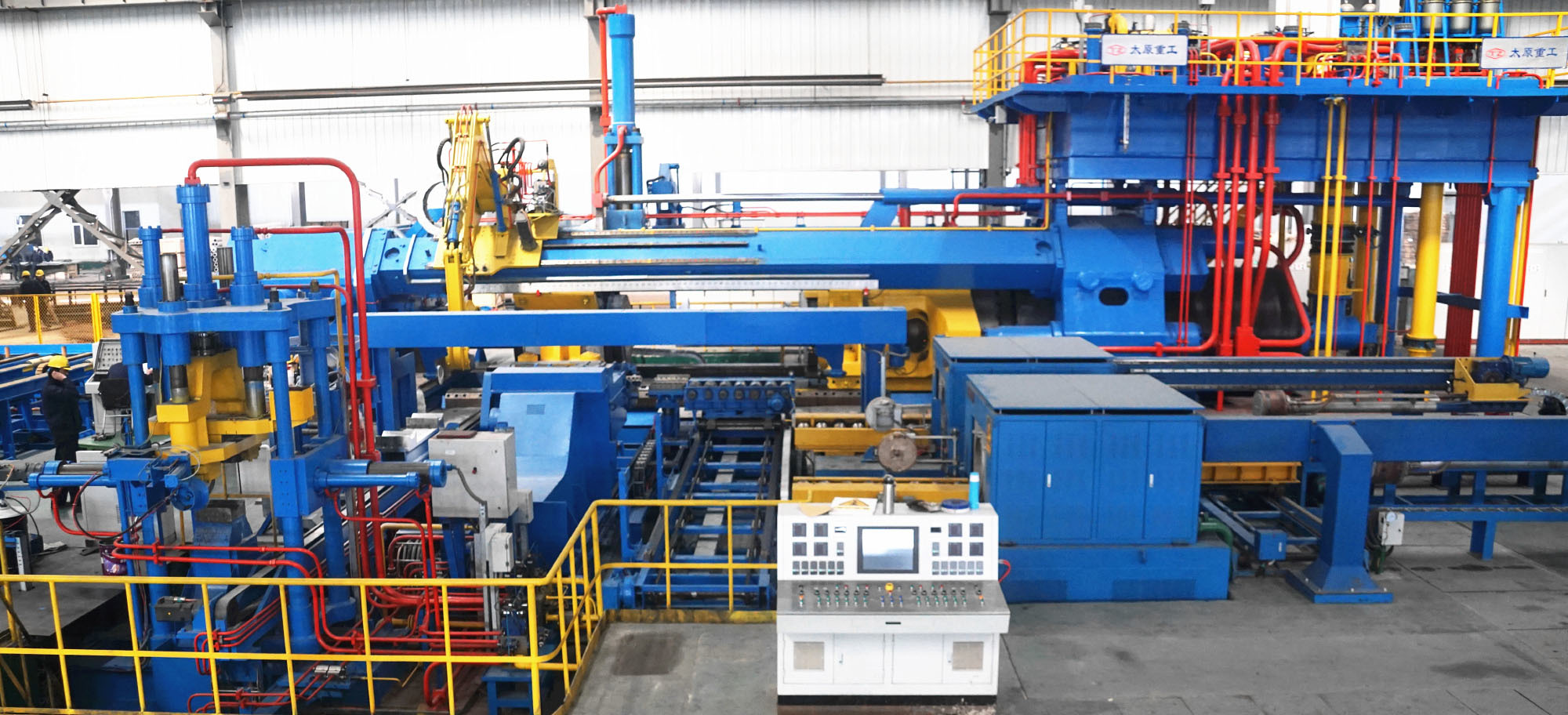
Covering the main grades of 1-7 series aluminum alloys, the products are high-precision seamless tubes, rods, profiles, drawn tubes, forgings, etc., widely used in new energy vehicles, aerospace, ships, UAVs, robots, security video surveillance, in-vehicle Internet of Things and other fields.
Exploring the Innovations and Applications of 2024 Aluminum Alloy
2024 aluminum alloy is one of the most widely used aerospace alloys due to its exceptional strength-to-weight ratio and excellent fatigue resistance. Composed primarily of aluminum, copper, and small amounts of other elements, this alloy is ideal for applications where high structural integrity is crucial. Its unique composition provides remarkable mechanical properties, making it suitable for var
Jun 28,2026
One of the standout features of 2024 aluminum alloy is its high tensile strength, which can reach up to 570 MPa (megapascals) in its heat-treated condition. This makes it a preferred choice for aircraft structures, including fuselage components and wing skins, where both weight reduction and strength are vital. Additionally, 2024 exhibits good machinability, allowing for intricate designs and precise engineering.
Corrosion resistance is a critical consideration in the selection of materials for industrial applications. While 2024 aluminum alloy does not naturally possess the highest level of corrosion resistance among aluminum alloys, its properties can be enhanced through proper surface treatments and coatings. This makes it suitable for aerospace applications where exposure to various environmental conditions is common.
The alloy's versatility extends beyond aviation into other industries, including automotive and marine sectors. For example, 2024 is often utilized in the manufacturing of high-performance automotive components, such as wheels and suspension parts, where strength and lightweight properties can enhance performance and fuel efficiency. Moreover, its application in marine environments, particularly in high-performance boats, highlights its adaptability and reliability.
Another significant advantage of 2024 aluminum alloy is its ability to be easily welded and formed, allowing for efficient production processes. This characteristic is crucial in industries where rapid prototyping and manufacturing are required to meet tight deadlines and evolving design specifications.
As the demand for lightweight materials continues to increase across various sectors, the importance of 2024 aluminum alloy is only expected to grow. Its combination of strength, machinability, and adaptability positions it well within the evolving landscape of materials engineering.
In conclusion, understanding the properties and applications of 2024 aluminum alloy is essential for professionals in metallurgy and materials science. Its exceptional strength, combined with its versatility across industries, makes it a key player in the development of advanced engineering solutions. As research and technology continue to evolve, 2024 aluminum alloy will remain a prominent choice for high-performance applications, driving innovation and advancement in the field.
Latest Developments








If you are interested in our products, please leave your E-mail and we will contact you as soon as possible. Thank you!