


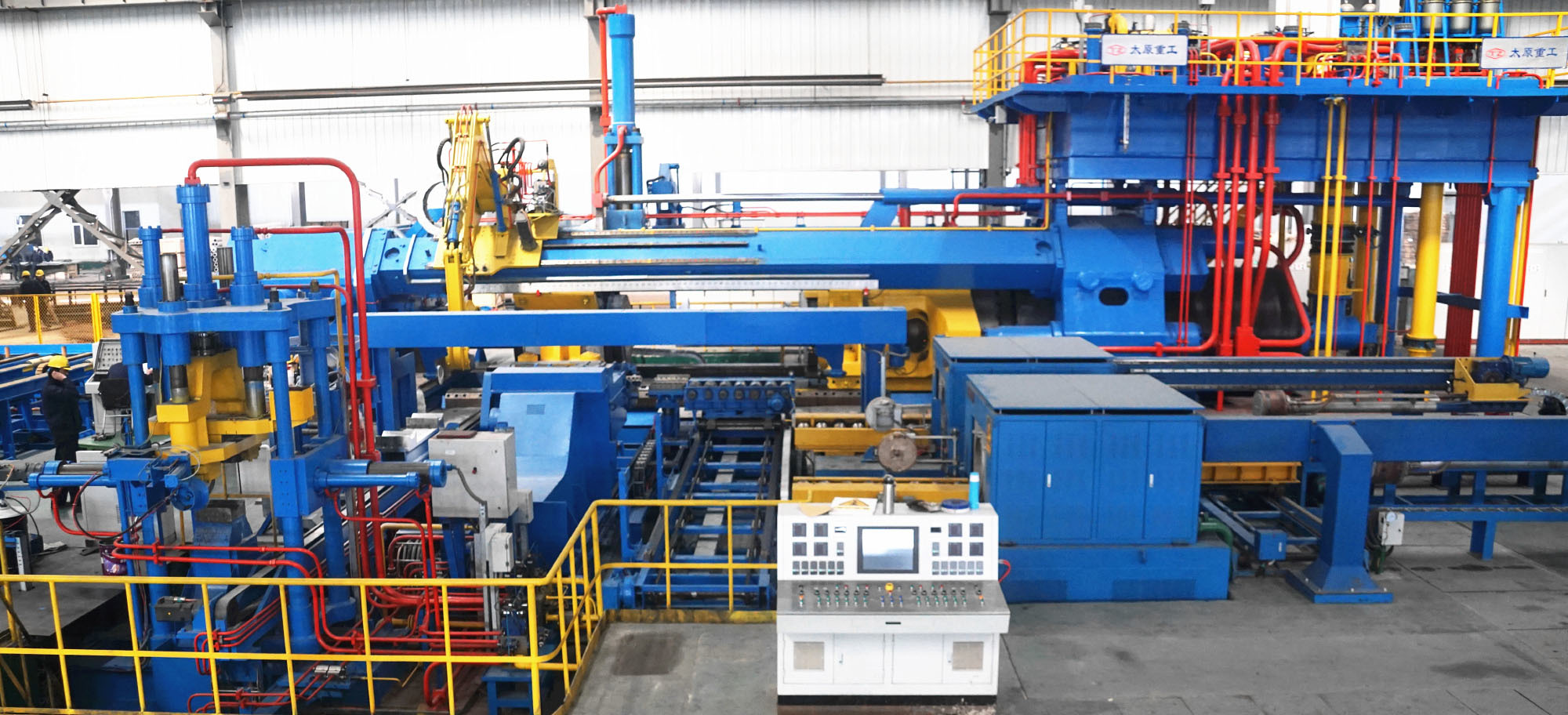
Covering the main grades of 1-7 series aluminum alloys, the products are high-precision seamless tubes, rods, profiles, drawn tubes, forgings, etc., widely used in new energy vehicles, aerospace, ships, UAVs, robots, security video surveillance, in-vehicle Internet of Things and other fields.
Exploring the Advancements and Applications of 2024 Aluminum Alloy
Aluminum alloys are crucial in modern industries due to their lightweight, strength, and versatility. Among these, 2024 aluminum alloy stands out for its exceptional mechanical properties, making it a favored choice in demanding applications. This alloy primarily consists of aluminum, copper, and other elements, which contribute to its unique performance characteristics. One of the defining featur
Mar 30,2026
One of the defining features of 2024 aluminum alloy is its high strength-to-weight ratio. This property is particularly significant in the aerospace sector, where reducing weight while maintaining structural integrity is essential for fuel efficiency and performance. The alloy has a yield strength that is significantly higher than many other aluminum alloys, which allows for the construction of lighter components without compromising strength.
Another critical aspect of 2024 aluminum alloy is its fatigue resistance. In applications where materials experience cyclical loading, such as aircraft wings and fuselages, the ability to withstand repeated stress is vital. 2024 exhibits excellent fatigue properties, making it suitable for components that undergo constant loading and unloading.
Furthermore, 2024 aluminum alloy offers good machinability, enabling manufacturers to create complex shapes and designs with precision. This is particularly beneficial in the automotive industry, where custom parts are often required to meet specific performance criteria. The alloy can be easily formed and welded, facilitating the manufacturing process and enhancing design flexibility.
The heat treatment of 2024 aluminum alloy further enhances its properties, allowing it to achieve even higher strength levels. The T3 and T4 temper states are commonly used, where the alloy undergoes solution heat treatment followed by aging, resulting in increased hardness and strength. This treatment process is essential for applications that demand high performance under challenging conditions.
Despite its many advantages, it's essential to note that 2024 aluminum alloy does have some limitations. It is less resistant to corrosion compared to other aluminum alloys, which can be a consideration in specific environments. Proper surface treatment or alloy selection may be necessary to ensure longevity in corrosive conditions.
In conclusion, the 2024 aluminum alloy is a remarkable material that plays a critical role in various high-performance applications. Its unique combination of strength, fatigue resistance, and machinability make it a top choice for industries that prioritize weight reduction and structural integrity. As advancements in materials science continue to evolve, the applications of 2024 aluminum alloy are likely to expand, offering new possibilities in engineering and manufacturing.
Latest Developments








If you are interested in our products, please leave your E-mail and we will contact you as soon as possible. Thank you!