


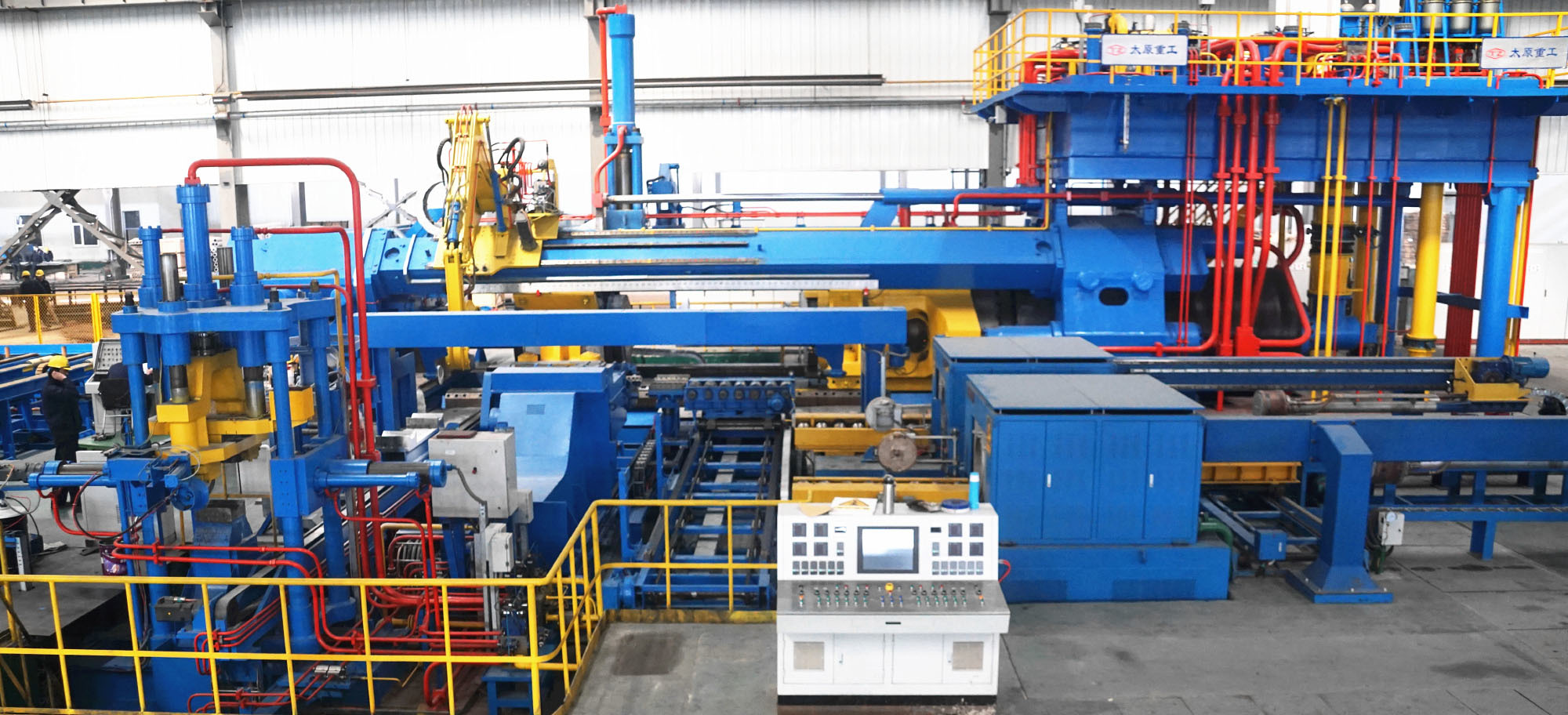
Covering the main grades of 1-7 series aluminum alloys, the products are high-precision seamless tubes, rods, profiles, drawn tubes, forgings, etc., widely used in new energy vehicles, aerospace, ships, UAVs, robots, security video surveillance, in-vehicle Internet of Things and other fields.
The Crucial Role of 7475 Aluminum Alloy in the Future of Automaking
The Crucial Role of 7475 Aluminum Alloy in the Future of Automaking Table of Contents Introduction: Understanding 7475 Aluminum Alloy Key Properties of 7475 Aluminum Alloy Applications of 7475 Aluminum Alloy in Automaking Benefits of Using 7475 Aluminum Alloy in Automotive Design Comparison with Other Aluminum Alloys Sustainability Aspects of 7475 Aluminum Alloy Fu
Mar 25,2026
The Crucial Role of 7475 Aluminum Alloy in the Future of Automaking
Table of Contents
- Introduction: Understanding 7475 Aluminum Alloy
- Key Properties of 7475 Aluminum Alloy
- Applications of 7475 Aluminum Alloy in Automaking
- Benefits of Using 7475 Aluminum Alloy in Automotive Design
- Comparison with Other Aluminum Alloys
- Sustainability Aspects of 7475 Aluminum Alloy
- Future Trends in Automotive Use of 7475 Aluminum Alloy
- Frequently Asked Questions
- Conclusion: The Future of Automaking with 7475 Aluminum Alloy
Introduction: Understanding 7475 Aluminum Alloy
The **7475 aluminum alloy** is a high-strength, heat-treatable alloy primarily used in the automotive industry. Its unique combination of properties makes it ideal for lightweight vehicle construction without compromising strength or performance. As automakers strive to improve fuel efficiency and reduce emissions, the demand for advanced materials like 7475 aluminum alloy continues to rise. This article delves into the critical role this alloy plays in automaking, exploring its properties, applications, and future trends that are shaping the industry.
Key Properties of 7475 Aluminum Alloy
7475 aluminum alloy boasts several key properties that make it a preferred choice for automakers looking to enhance vehicle performance. These properties include:
1. High Strength-to-Weight Ratio
One of the standout features of 7475 aluminum alloy is its impressive **strength-to-weight ratio**. This characteristic allows manufacturers to produce lighter vehicles that maintain structural integrity and safety standards. Lighter vehicles translate to better fuel efficiency, which is crucial in today’s automotive market.
2. Excellent Fatigue Resistance
7475 aluminum alloy exhibits exceptional fatigue resistance, making it ideal for components subjected to repeated stress and strain, such as suspensions and chassis parts. This property ensures that vehicles maintain performance over extended periods, reducing the risk of material failure.
3. Corrosion Resistance
The alloy also offers good corrosion resistance, which is vital for the longevity of automotive components exposed to harsh environmental conditions. This property minimizes maintenance needs and enhances overall durability.
4. High Thermal Conductivity
Another significant advantage of 7475 aluminum alloy is its high thermal conductivity. This feature is particularly beneficial for heat exchangers and engine components, where efficient heat dissipation is essential for optimal performance.
Applications of 7475 Aluminum Alloy in Automaking
7475 aluminum alloy finds various applications in the automotive industry, significantly contributing to the advancement of vehicle design and performance.
1. Structural Components
The **structural components** of automobiles, such as frames and support beams, benefit immensely from the strength and lightweight nature of 7475 aluminum alloy. This use helps automakers achieve a balance between safety and performance.
2. Suspension Systems
7475 aluminum alloy is commonly used in **suspension systems** due to its high fatigue resistance. Components like control arms and struts manufactured from this alloy ensure improved handling and ride quality, contributing to overall vehicle dynamics.
3. Body Panels
The alloy is also utilized in **body panels**, where reducing weight without compromising strength is crucial. Automakers are increasingly adopting 7475 aluminum alloy for body designs, contributing to the overall aesthetics and performance of modern vehicles.
4. Engine Components
In addition to structural and body applications, 7475 aluminum alloy is employed in various **engine components** such as cylinder heads and engine blocks. This usage enhances thermal efficiency and weight reduction, crucial for performance engines.
Benefits of Using 7475 Aluminum Alloy in Automotive Design
The shift towards using 7475 aluminum alloy in automotive manufacturing presents numerous benefits for both manufacturers and consumers.
1. Improved Fuel Efficiency
By utilizing 7475 aluminum alloy, automakers can significantly reduce the overall weight of vehicles. This reduction directly improves fuel efficiency, aligning with global efforts to reduce carbon emissions and promote sustainable practices.
2. Enhanced Vehicle Performance
The exceptional strength and durability of 7475 aluminum alloy contribute to improved vehicle performance. Automakers can design vehicles that handle better, accelerate faster, and offer a more responsive driving experience.
3. Cost-Effectiveness
While the initial cost of 7475 aluminum alloy may be higher than traditional materials, the long-term benefits, including reduced maintenance and improved fuel efficiency, make it a cost-effective choice for automotive manufacturers.
4. Design Flexibility
The versatility of 7475 aluminum alloy allows for **innovative design possibilities.** Automakers can create intricate shapes and structures, pushing the boundaries of automotive design while maintaining performance and safety standards.
Comparison with Other Aluminum Alloys
To fully appreciate the advantages of 7475 aluminum alloy, it's essential to compare it with other commonly used aluminum alloys in the automotive industry, such as 6061 and 7075.
1. 6061 Aluminum Alloy
6061 aluminum alloy is a versatile material widely used in automotive applications. While it offers good corrosion resistance and weldability, its strength is lower than that of 7475, making it less suitable for high-performance applications where weight and strength are critical.
2. 7075 Aluminum Alloy
7075 aluminum alloy is known for its high strength but is less corrosion-resistant than 7475. While 7075 is a popular choice for aerospace applications due to its strength, 7475's balance of strength and corrosion resistance makes it a better fit for automotive applications, especially in components exposed to the elements.
Sustainability Aspects of 7475 Aluminum Alloy
In today's eco-conscious world, sustainability is paramount. The production and use of 7475 aluminum alloy align with sustainable practices in several ways.
1. Recyclability
Aluminum is one of the most recyclable materials, and 7475 alloy is no exception. The ability to recycle aluminum reduces the demand for new raw materials and lowers the environmental impact of extraction and processing.
2. Lightweight Solutions for EVs
As the automotive industry moves toward electric vehicles (EVs), the need for lightweight materials is more significant than ever. 7475 aluminum alloy’s properties support the development of efficient EV designs, contributing to a more sustainable future for transportation.
Future Trends in Automotive Use of 7475 Aluminum Alloy
As the automotive sector evolves, the role of 7475 aluminum alloy is expected to expand, reflecting trends in technology and consumer preferences.
1. Adoption in Electric Vehicles
The lightweight benefits of 7475 aluminum alloy make it ideal for electric vehicles, where weight reduction directly impacts battery efficiency and range. Automakers are likely to increasingly incorporate this alloy into new EV designs.
2. Advancements in Manufacturing Techniques
Innovations in manufacturing techniques, such as 3D printing, are likely to enhance the application of 7475 aluminum alloy. This technology allows for complex component designs that can further optimize weight and performance.
3. Integration with Smart Technologies
As vehicles become more intelligent, the integration of 7475 aluminum alloy with smart technologies can lead to enhanced functionality and performance. For instance, using sensors embedded in aluminum components can help monitor vehicle performance in real-time.
Frequently Asked Questions
1. What is 7475 aluminum alloy primarily used for in the automotive industry?
7475 aluminum alloy is primarily used for structural components, suspension systems, body panels, and engine parts due to its high strength, lightweight nature, and fatigue resistance.
2. How does 7475 aluminum alloy compare to other aluminum alloys?
7475 aluminum alloy offers superior strength and corrosion resistance compared to many other aluminum alloys, making it particularly well-suited for demanding automotive applications.
3. Is 7475 aluminum alloy recyclable?
Yes, 7475 aluminum alloy is highly recyclable, contributing to sustainable practices in the automotive industry by reducing the need for new raw materials.
4. What are the benefits of using aluminum alloys in automaking?
Using aluminum alloys, including 7475, in automaking leads to improved fuel efficiency, enhanced vehicle performance, design flexibility, and reduced weight, making vehicles more efficient and sustainable.
5. Are there any disadvantages to using 7475 aluminum alloy?
While 7475 aluminum alloy has many advantages, it may be more expensive than some other materials. Additionally, it requires careful handling and processing to maintain its desirable properties during manufacturing.
Conclusion: The Future of Automaking with 7475 Aluminum Alloy
The **7475 aluminum alloy** is positioned to play a pivotal role in the future of automaking. With its exceptional properties, it addresses the industry’s demand for lightweight, durable, and efficient materials. As automakers continue to innovate, the adoption of 7475 aluminum alloy is expected to rise, leading to advancements in vehicle design, performance, and sustainability. The future of the automotive industry is undoubtedly bright with 7475 aluminum alloy at its forefront, driving forward the evolution of transportation.
Latest Developments








If you are interested in our products, please leave your E-mail and we will contact you as soon as possible. Thank you!