


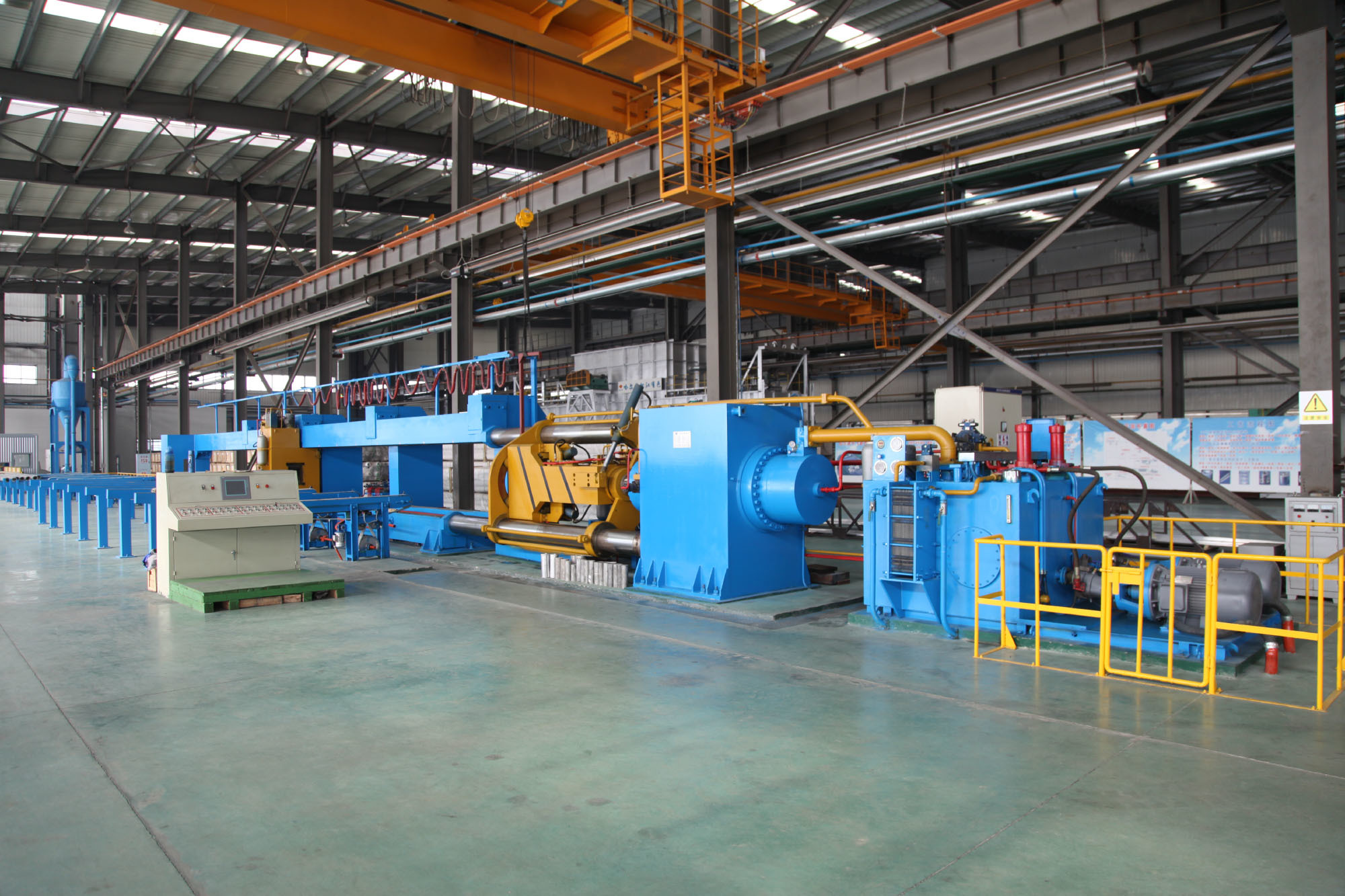
Covering the main grades of 1-7 series aluminum alloys, the products are high-precision seamless tubes, rods, profiles, drawn tubes, forgings, etc., widely used in new energy vehicles, aerospace, ships, UAVs, robots, security video surveillance, in-vehicle Internet of Things and other fields.
Understanding the Advantages of 7050 Aluminum Alloy in Modern Applications
The 7050 aluminum alloy is a high-strength material belonging to the 7000 series of aluminum alloys, primarily composed of zinc as the key alloying element. This alloy is known for its excellent mechanical properties, making it a popular choice in applications where strength and weight are critical. The alloy is often utilized in the aerospace industry, automotive manufacturing, and various struct
Jan 15,2026
One of the standout features of 7050 aluminum alloy is its enhanced resistance to stress corrosion cracking. This property is particularly beneficial in environments where materials are subjected to high levels of stress and corrosive elements. The alloy provides an ideal balance of strength and durability, ensuring longevity and reliability in challenging conditions.
Additionally, 7050 aluminum alloy exhibits good weldability, which is a significant advantage for manufacturers seeking to create complex structures. The alloy can be easily joined using various welding techniques, allowing for flexibility in design and application. However, it is essential to note that specific welding procedures should be followed to maintain the alloy's desired properties and performance.
Another critical aspect of 7050 aluminum alloy is its ability to maintain strength at elevated temperatures. This characteristic is particularly advantageous in aerospace applications, where materials may be exposed to extreme conditions without compromising their structural integrity. The alloy's performance at higher temperatures makes it suitable for components that require both strength and thermal stability.
The mechanical properties of 7050 aluminum alloy make it an excellent choice for applications where weight reduction is paramount. Its high strength-to-weight ratio allows engineers to design lighter structures without sacrificing performance. This is increasingly important in industries such as aerospace and automotive, where fuel efficiency and performance are deeply intertwined.
In summary, 7050 aluminum alloy stands out in the realm of engineering materials due to its unique combination of strength, corrosion resistance, and weldability. These attributes make it a go-to option for a range of demanding applications, ensuring that products not only meet but exceed performance expectations. As industries continue to prioritize lightweight and durable materials, the role of 7050 aluminum alloy is likely to expand, solidifying its place as a critical material in modern engineering solutions.
Latest Developments








If you are interested in our products, please leave your E-mail and we will contact you as soon as possible. Thank you!