


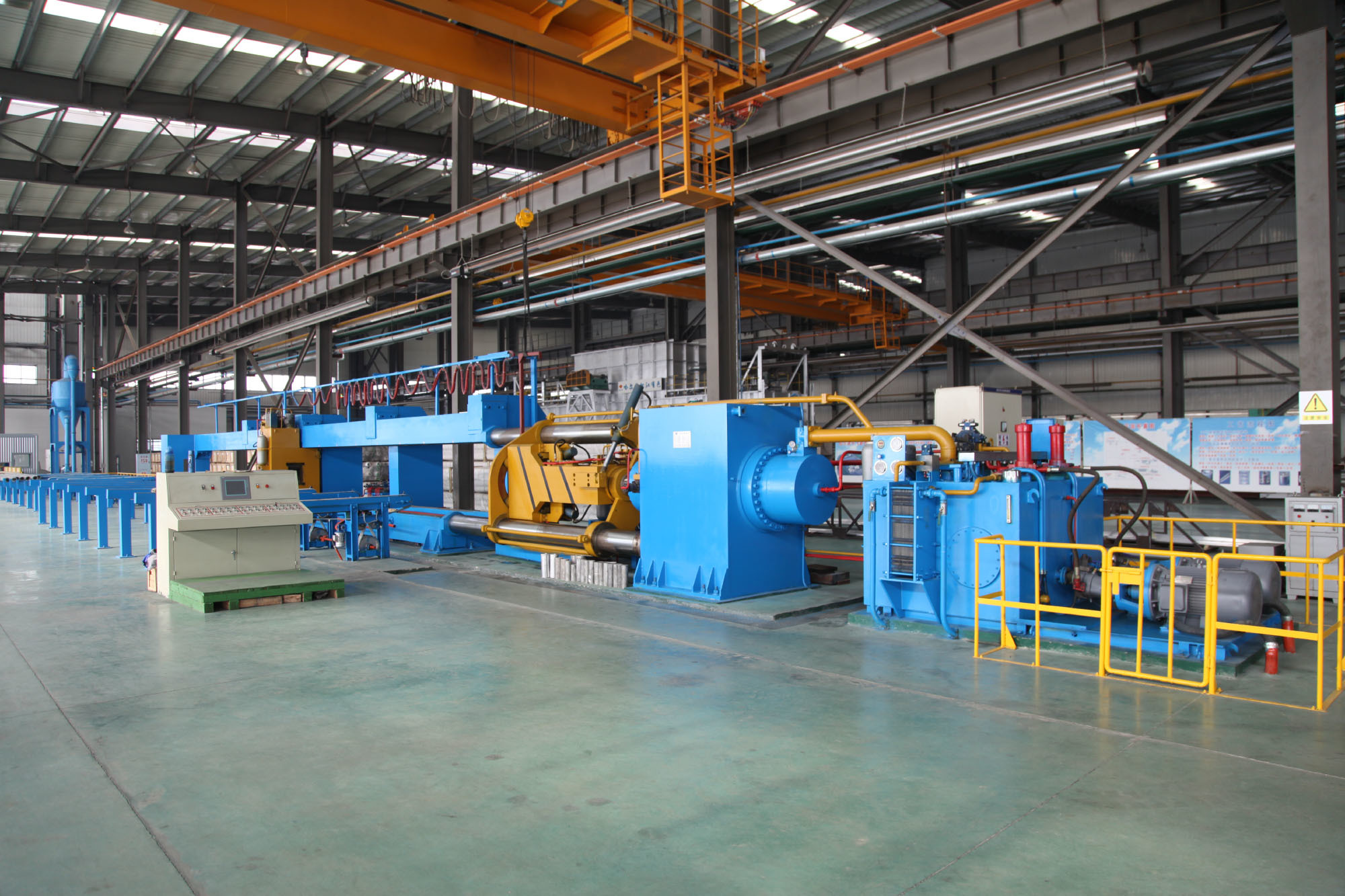
Covering the main grades of 1-7 series aluminum alloys, the products are high-precision seamless tubes, rods, profiles, drawn tubes, forgings, etc., widely used in new energy vehicles, aerospace, ships, UAVs, robots, security video surveillance, in-vehicle Internet of Things and other fields.
The Advantages of 7475 Aluminum Alloy for Electrical Applications
The Advantages of 7475 Aluminum Alloy for Electrical Applications Introduction to 7475 Aluminum Alloy 7475 aluminum alloy is renowned for its exceptional properties, making it a popular choice in various industries, particularly in electrical applications. This alloy, primarily composed of aluminum, zinc, magnesium, and copper, is engineered to deliver superior performance in demanding environ
Jan 20,2026
The Advantages of 7475 Aluminum Alloy for Electrical Applications
Introduction to 7475 Aluminum Alloy
7475 aluminum alloy is renowned for its exceptional properties, making it a popular choice in various industries, particularly in electrical applications. This alloy, primarily composed of aluminum, zinc, magnesium, and copper, is engineered to deliver superior performance in demanding environments.
Understanding the Composition of 7475 Aluminum Alloy
To fully appreciate the advantages of 7475 aluminum alloy, it is crucial to understand its composition. This alloy typically consists of approximately 5.6% zinc, 2.5% magnesium, and 1.6% copper, along with trace amounts of other elements such as silicon, iron, and titanium. This unique blend of materials contributes significantly to its overall properties:
1. High Strength-to-Weight Ratio
One of the most significant advantages of 7475 aluminum alloy is its high strength-to-weight ratio. This property is particularly beneficial in electrical applications, where reducing weight without compromising strength can lead to increased efficiency and performance.
2. Excellent Corrosion Resistance
Corrosion resistance is a critical factor in the selection of materials for electrical applications. 7475 aluminum alloy offers excellent resistance to corrosion, particularly when anodized. This characteristic ensures longevity and durability in various environmental conditions, making it suitable for outdoor and harsh environments.
3. Superior Electrical Conductivity
Electrical conductivity is paramount in electrical applications. While aluminum generally has good conductivity, 7475 alloy stands out due to its enhanced performance. The alloy's unique composition allows it to maintain low resistivity, making it ideal for applications where efficient electrical flow is essential.
Applications of 7475 Aluminum Alloy in Electrical Engineering
The unique properties of 7475 aluminum alloy make it suitable for a wide range of electrical applications. Below are some of the prominent uses:
1. Electrical Connectors
Electrical connectors require materials that can withstand mechanical stress while ensuring optimal conductivity. 7475 aluminum alloy provides this balance, making it a preferred choice for connectors in high-performance electrical systems.
2. Bus Bars
Bus bars are essential components in electrical distribution systems. Using 7475 aluminum alloy for bus bars enhances their strength and durability, ensuring reliable performance over time, even under heavy loads.
3. Power Distribution Equipment
In power distribution equipment, the combination of strength, corrosion resistance, and conductivity offered by 7475 aluminum alloy contributes to the efficiency and reliability of the entire system.
4. Heat Sinks
Heat management is crucial in electrical applications. 7475 aluminum alloy serves effectively as a heat sink material, dissipating heat efficiently and prolonging the lifespan of electronic components.
Advantages of Using 7475 Aluminum Alloy Over Other Alloys
When considering 7475 aluminum alloy for electrical applications, it is essential to compare it with other alloys. The following points highlight its advantages:
1. Superior Mechanical Properties
Compared to other aluminum alloys, 7475 offers better tensile strength and yield strength. This advantage is particularly important in applications where mechanical integrity is critical.
2. Better Fatigue Resistance
7475 aluminum alloy exhibits excellent fatigue resistance, allowing it to withstand repeated stress cycles without failure. This property is crucial in electrical applications where components are subject to constant movement or vibration.
3. Enhanced Workability
7475 aluminum alloy can be easily machined and formed, allowing for the creation of complex shapes and designs. This workability provides manufacturers with greater flexibility when designing electrical components.
Manufacturing Considerations for 7475 Aluminum Alloy
When working with 7475 aluminum alloy, specific manufacturing considerations must be taken into account to maximize its performance.
1. Heat Treatment Processes
Heat treatment significantly enhances the mechanical properties of 7475 aluminum alloy. The T73 temper, for instance, provides optimal strength and corrosion resistance, making it suitable for various applications.
2. Welding Techniques
Welding 7475 aluminum can be challenging due to its composition. However, understanding the proper techniques and using compatible filler materials can ensure strong joints that maintain the alloy's integrity.
3. Surface Treatments
To improve corrosion resistance and aesthetics, surface treatments such as anodizing can be employed. This process not only protects the alloy but also enhances its surface finish, making it visually appealing.
Environmental Impact of 7475 Aluminum Alloy
The use of 7475 aluminum alloy also has implications for environmental sustainability.
1. Recyclability
Aluminum alloys, including 7475, are highly recyclable. Recycling aluminum consumes significantly less energy compared to primary production, reducing the overall carbon footprint.
2. Lightweight Benefits
The lightweight nature of 7475 aluminum alloy contributes to energy savings in transportation and electrical applications. Lightweight components lead to reduced energy consumption and lower emissions.
Future Trends in 7475 Aluminum Alloy Applications
As technology advances, the applications and benefits of 7475 aluminum alloy will continue to expand.
1. Smart Grids
The growing demand for smart grid technology presents opportunities for 7475 aluminum alloy. Its strength and conductivity make it an ideal candidate for advanced electrical distribution systems.
2. Renewable Energy Solutions
In the renewable energy sector, 7475 aluminum alloy can play a crucial role in the development of more efficient solar panels and wind turbine components.
3. Electric Vehicles
The automotive industry's shift towards electric vehicles will likely increase the demand for lightweight, high-strength materials like 7475 aluminum alloy, which can enhance vehicle efficiency and performance.
Frequently Asked Questions (FAQs)
1. What makes 7475 aluminum alloy suitable for electrical applications?
7475 aluminum alloy is suitable for electrical applications due to its high strength, excellent corrosion resistance, and superior electrical conductivity.
2. How does 7475 aluminum alloy compare to other alloys in terms of weight and strength?
7475 aluminum alloy offers a higher strength-to-weight ratio compared to many other aluminum alloys, making it an ideal choice for lightweight yet strong electrical components.
3. Can 7475 aluminum alloy be welded?
Yes, 7475 aluminum alloy can be welded, but it requires specific techniques and compatible filler materials to ensure joint integrity.
4. What are the environmental benefits of using 7475 aluminum alloy?
The recyclability of 7475 aluminum alloy and its lightweight nature contribute to lower energy consumption and reduced emissions, making it an environmentally friendly option.
5. What are some common applications of 7475 aluminum alloy in the electrical industry?
Common applications include electrical connectors, bus bars, power distribution equipment, and heat sinks.
Conclusion
The advantages of 7475 aluminum alloy in electrical applications are numerous and compelling. Its high strength-to-weight ratio, excellent corrosion resistance, and superior electrical conductivity make it a leading choice in the industry. As we look to the future, the demand for this alloy is expected to grow, particularly in emerging technologies such as smart grids and renewable energy solutions. By choosing 7475 aluminum alloy, manufacturers can enhance the performance and reliability of their electrical components, paving the way for innovation and sustainability in the field.
Latest Developments








If you are interested in our products, please leave your E-mail and we will contact you as soon as possible. Thank you!