


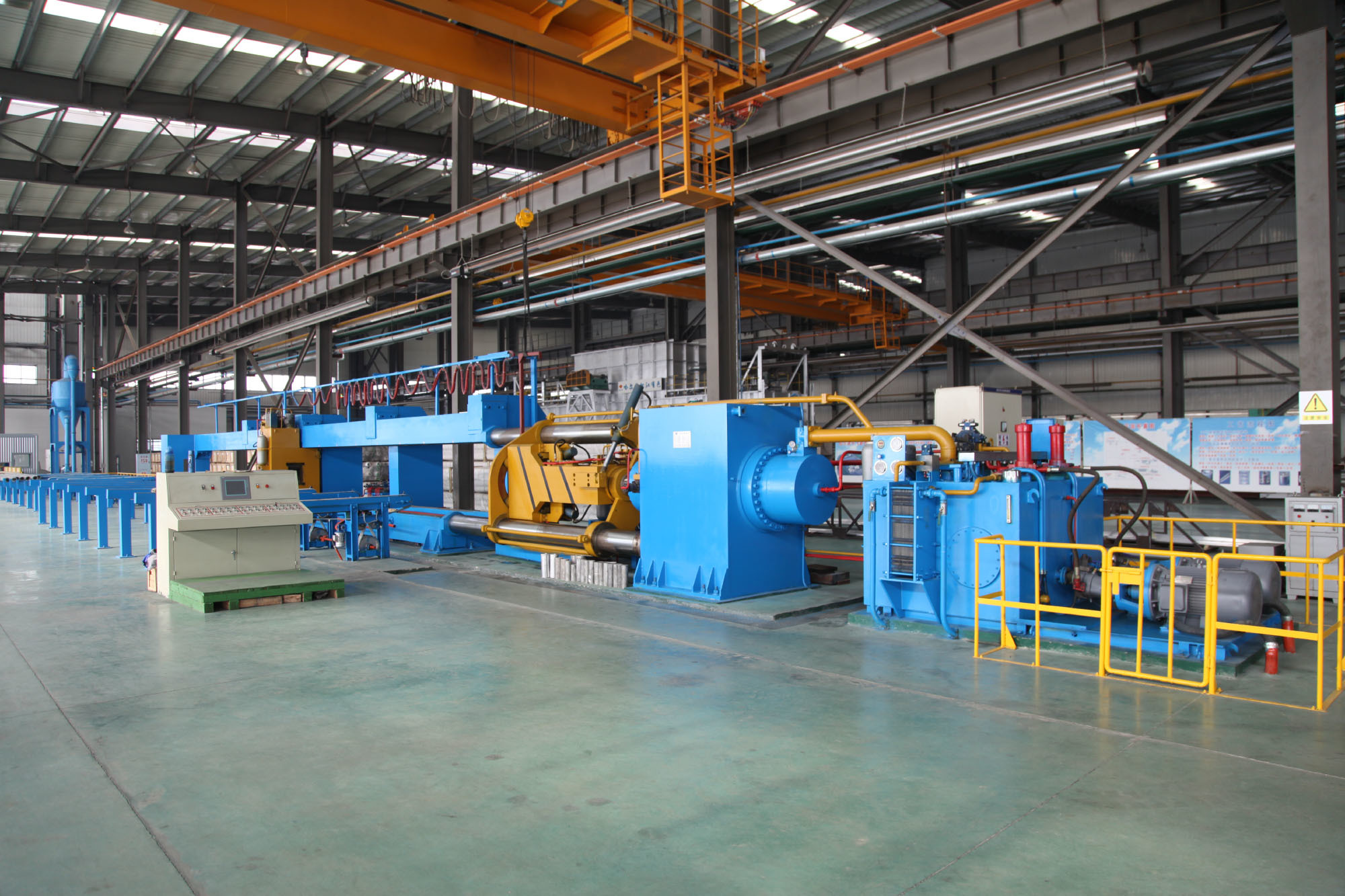
Covering the main grades of 1-7 series aluminum alloys, the products are high-precision seamless tubes, rods, profiles, drawn tubes, forgings, etc., widely used in new energy vehicles, aerospace, ships, UAVs, robots, security video surveillance, in-vehicle Internet of Things and other fields.
How to Choose the Right Aluminum Alloy: The Case for 2618
How to Choose the Right Aluminum Alloy: The Case for 2618 Table of Contents Introduction to Aluminum Alloys What is Aluminum Alloy 2618? Properties of Aluminum Alloy 2618 Advantages of Using Aluminum Alloy 2618 Applications of Aluminum Alloy 2618 How to Choose the Right Aluminum Alloy for Your Project Maintenance and Care for Aluminum Alloys Conclusion Frequent
Jan 10,2026
How to Choose the Right Aluminum Alloy: The Case for 2618
Table of Contents
- Introduction to Aluminum Alloys
- What is Aluminum Alloy 2618?
- Properties of Aluminum Alloy 2618
- Advantages of Using Aluminum Alloy 2618
- Applications of Aluminum Alloy 2618
- How to Choose the Right Aluminum Alloy for Your Project
- Maintenance and Care for Aluminum Alloys
- Conclusion
- Frequently Asked Questions
Introduction to Aluminum Alloys
Aluminum alloys play a crucial role in various industries due to their lightweight, high strength, and excellent corrosion resistance. Choosing the right aluminum alloy can significantly impact the performance and longevity of your products. In this article, we will focus on **aluminum alloy 2618**, exploring its unique characteristics and why it is often the top choice for demanding applications.
What is Aluminum Alloy 2618?
Aluminum alloy 2618 belongs to the 2xxx series of aluminum alloys, which are primarily alloyed with copper. It is known for its high strength and excellent machinability, making it suitable for applications where performance is critical. The alloy consists of approximately 4.5% copper, along with other elements such as magnesium, silicon, and iron, which enhance its overall properties.
Composition of Aluminum Alloy 2618
Understanding the composition of aluminum alloy 2618 is essential for grasping its benefits. The primary constituents of this alloy include:
- Copper (Cu): 4.5% – Provides strength and hardness.
- Magnesium (Mg): 1.5% – Enhances corrosion resistance and weldability.
- Silicon (Si): 0.5% – Improves fluidity during casting.
- Iron (Fe): 0.7% – Aids in strength and toughness.
This specific combination of elements gives aluminum alloy 2618 its distinctive characteristics, setting it apart from other alloys.
Properties of Aluminum Alloy 2618
When selecting aluminum alloy 2618, it is vital to consider its properties, which include:
1. High Strength-to-Weight Ratio
Aluminum alloy 2618 offers an exceptional strength-to-weight ratio, making it ideal for applications that require both strength and lightweight materials. This property is especially advantageous in aerospace and automotive industries, where reducing weight can lead to significant performance improvements.
2. Excellent Machinability
Another defining feature of aluminum alloy 2618 is its excellent machinability. This characteristic allows for easier fabrication and shaping, resulting in reduced production times and costs.
3. Superior Fatigue Resistance
Aluminum 2618 exhibits superior fatigue resistance, making it suitable for components that undergo cyclic loading and stress. This property prolongs the lifespan of parts subjected to repeated use.
4. Good Corrosion Resistance
While aluminum alloys are generally known for their corrosion resistance, 2618 stands out with enhanced protection against environmental factors, making it suitable for harsh operating conditions.
5. Heat Treatability
Aluminum alloy 2618 can be heat-treated to improve its mechanical properties further. This process can enhance strength without significantly compromising other characteristics, providing versatility in its application.
Advantages of Using Aluminum Alloy 2618
The benefits of choosing aluminum alloy 2618 extend beyond its properties. Here are the key advantages:
1. Lightweight Design
Aluminum alloy 2618's lightweight design reduces overall vehicle weight, leading to improved fuel efficiency in automotive applications and enhanced performance in aerospace designs.
2. Enhanced Performance
Due to its high strength and fatigue resistance, aluminum alloy 2618 can withstand extreme conditions, ensuring that components maintain their integrity over time.
3. Cost-Effectiveness
Although aluminum alloys can be more expensive than other materials, the durability and performance of aluminum alloy 2618 can lead to lower maintenance and replacement costs over the lifecycle of the product.
4. Versatility in Applications
With a multitude of applications ranging from aerospace to automotive and even industrial machinery, aluminum alloy 2618 proves to be a versatile choice for manufacturers seeking high-performance materials.
Applications of Aluminum Alloy 2618
Aluminum alloy 2618 is utilized across various industries due to its advantageous properties. Here are some notable applications:
1. Aerospace Components
In the aerospace sector, aluminum alloy 2618 is often used for aircraft structures, engine components, and fuel tanks due to its lightweight and high strength.
2. Automotive Parts
The automotive industry benefits from aluminum alloy 2618 in the production of critical components such as suspension parts, engine blocks, and wheels.
3. Military Applications
Due to its durability and resistance to environmental stressors, aluminum alloy 2618 finds applications in military vehicles and equipment.
4. Industrial Equipment
Machinery and industrial tools often incorporate aluminum alloy 2618 for its excellent machinability and strength, making it ideal for demanding applications.
How to Choose the Right Aluminum Alloy for Your Project
Choosing the appropriate aluminum alloy involves evaluating several factors to ensure optimal performance. Here are some key considerations:
1. Understand Your Requirements
Before selecting an aluminum alloy, define the requirements of your project. Consider factors such as weight, strength, corrosion resistance, and thermal properties.
2. Evaluate Environmental Conditions
Assess the environmental conditions your components will face. If they will be exposed to harsh elements, choosing an alloy with superior corrosion resistance, like aluminum 2618, is crucial.
3. Review Machinability and Fabrication Needs
Determine the machining processes required for your project. Aluminum alloy 2618 offers excellent machinability, making it suitable for intricate designs and tight tolerances.
4. Cost Considerations
While cost is always a factor, consider long-term value. Investing in a higher-quality alloy can lead to reduced maintenance and replacement costs in the future.
5. Seek Expert Advice
If you're unsure about which aluminum alloy to choose, consulting with materials engineers or industry experts can provide valuable insights tailored to your specific application.
Maintenance and Care for Aluminum Alloys
To ensure the longevity of aluminum alloy components, proper maintenance is essential. Here are some best practices:
1. Regular Inspections
Conduct regular inspections to identify any signs of wear or corrosion early. This proactive approach can prevent costly repairs down the line.
2. Cleaning Procedures
Use gentle cleaning methods to maintain the integrity of the alloy. Avoid harsh chemicals that could damage the protective oxide layer on the aluminum surface.
3. Protective Coatings
Consider applying protective coatings to enhance corrosion resistance, especially for components exposed to harsh environments.
Conclusion
Choosing the right aluminum alloy is a critical decision that can significantly impact the performance and durability of your products. Aluminum alloy 2618 stands out due to its exceptional strength, machinability, and versatility across various industries. By understanding its properties, advantages, and applications, manufacturers can make informed choices that meet their specific needs. Invest in aluminum alloy 2618 for your next project to harness its full potential.
Frequently Asked Questions
1. What makes aluminum alloy 2618 different from other aluminum alloys?
Aluminum alloy 2618 is characterized by its high strength, excellent fatigue resistance, and superior machinability, making it ideal for demanding applications compared to other alloys.
2. What are the primary applications of aluminum alloy 2618?
Common applications include aerospace components, automotive parts, military equipment, and industrial machinery.
3. How is aluminum alloy 2618 heat-treated?
Heat treatment processes can enhance the mechanical properties of aluminum alloy 2618, typically involving solution heat treatment followed by aging.
4. Is aluminum alloy 2618 suitable for welding?
While aluminum 2618 can be welded, it is essential to use appropriate techniques and filler materials to maintain its strength and properties.
5. How can I ensure the longevity of aluminum alloy components?
Regular inspections, proper cleaning, and the application of protective coatings can help maintain the integrity and extend the lifespan of aluminum alloy components.
Latest Developments








If you are interested in our products, please leave your E-mail and we will contact you as soon as possible. Thank you!