


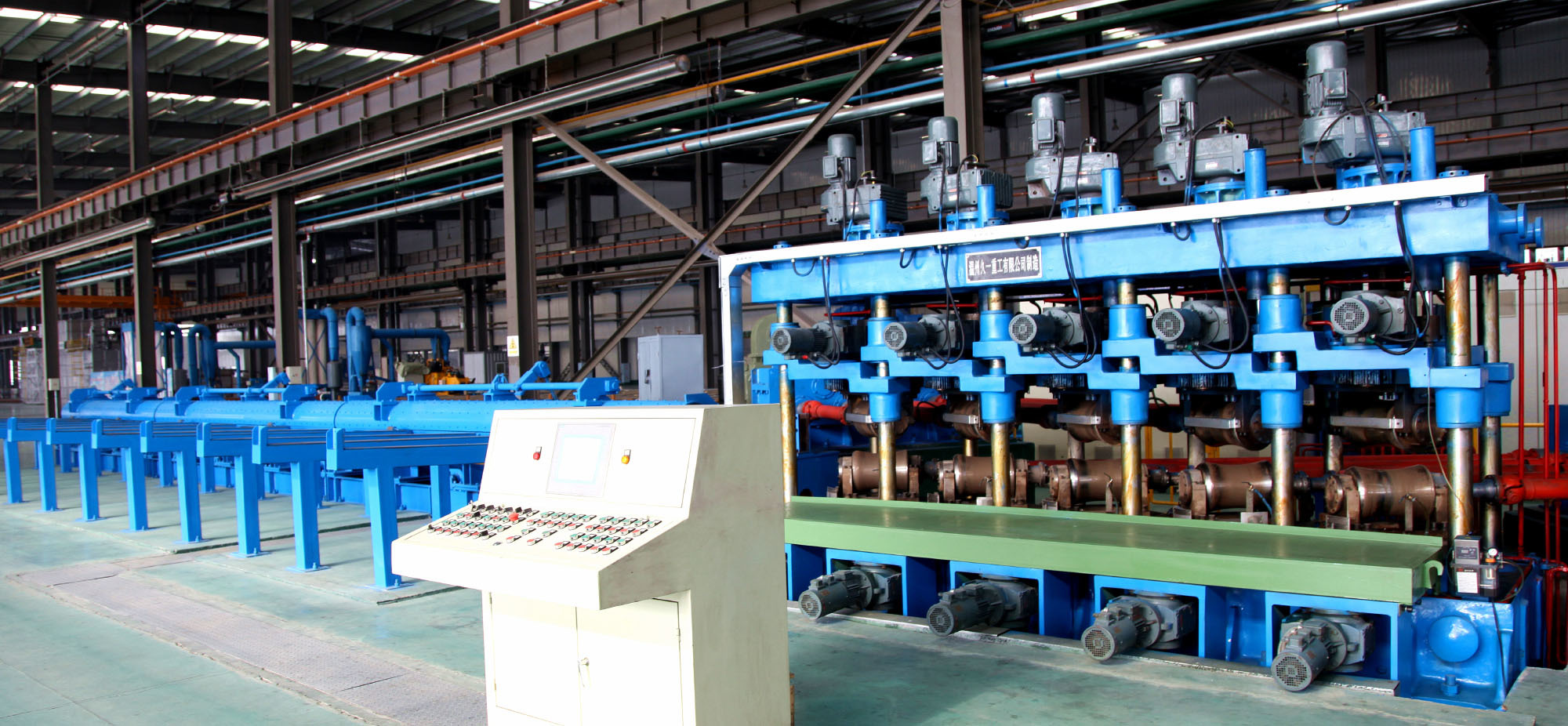
Covering the main grades of 1-7 series aluminum alloys, the products are high-precision seamless tubes, rods, profiles, drawn tubes, forgings, etc., widely used in new energy vehicles, aerospace, ships, UAVs, robots, security video surveillance, in-vehicle Internet of Things and other fields.
Exploring the Versatile Applications of 2024 Aluminum Alloy in Modern Industries
The 2024 aluminum alloy is renowned for its exceptional strength-to-weight ratio, making it a valuable material in industries where performance and efficiency are paramount. Composed primarily of aluminum, copper, and small amounts of other elements such as manganese and silicon, this alloy exhibits remarkable mechanical properties that are particularly beneficial in high-stress applications. One
Feb 28,2026
One of the standout features of 2024 aluminum alloy is its high yield strength, which allows it to withstand extreme loads without permanent deformation. This characteristic makes it a popular choice in the aerospace sector, where materials must endure considerable stress during flight. The alloy's ability to maintain its structural integrity at elevated temperatures further enhances its suitability for aircraft components, such as fuselage structures and wing skins.
In addition to aerospace, the automotive industry has also embraced the 2024 aluminum alloy for its lightweight properties. As manufacturers strive to improve fuel efficiency and reduce emissions, the use of lighter materials becomes increasingly critical. The 2024 alloy's combination of strength and reduced weight contributes to the overall performance of vehicles, making it an ideal choice for structural components and high-performance parts.
Corrosion resistance is another important aspect of the 2024 aluminum alloy. While it is not as resistant to corrosion as some other aluminum alloys, its performance can be enhanced through various surface treatments. These treatments not only protect the material from environmental factors but also improve its aesthetic appeal, which is crucial in industries where appearance matters.
Welding and machining characteristics of 2024 aluminum are also pivotal in its application. While it is more challenging to weld compared to other aluminum alloys, advances in welding techniques have improved its usability in assembly processes. This adaptability makes it easier for manufacturers to incorporate 2024 aluminum components into larger systems.
It's worth noting that while the 2024 aluminum alloy excels in many areas, it may not be suitable for all applications. The choice of material ultimately depends on the specific requirements of the project, including weight constraints, environmental conditions, and budget considerations.
In conclusion, the 2024 aluminum alloy stands out for its strength, lightweight properties, and versatility across various industries. Whether in aerospace or automotive applications, its unique characteristics make it a preferred choice for professionals seeking reliable and high-performance materials. Understanding the benefits and limitations of this alloy can help you make informed decisions in your projects and enhance overall productivity.
Latest Developments








If you are interested in our products, please leave your E-mail and we will contact you as soon as possible. Thank you!