


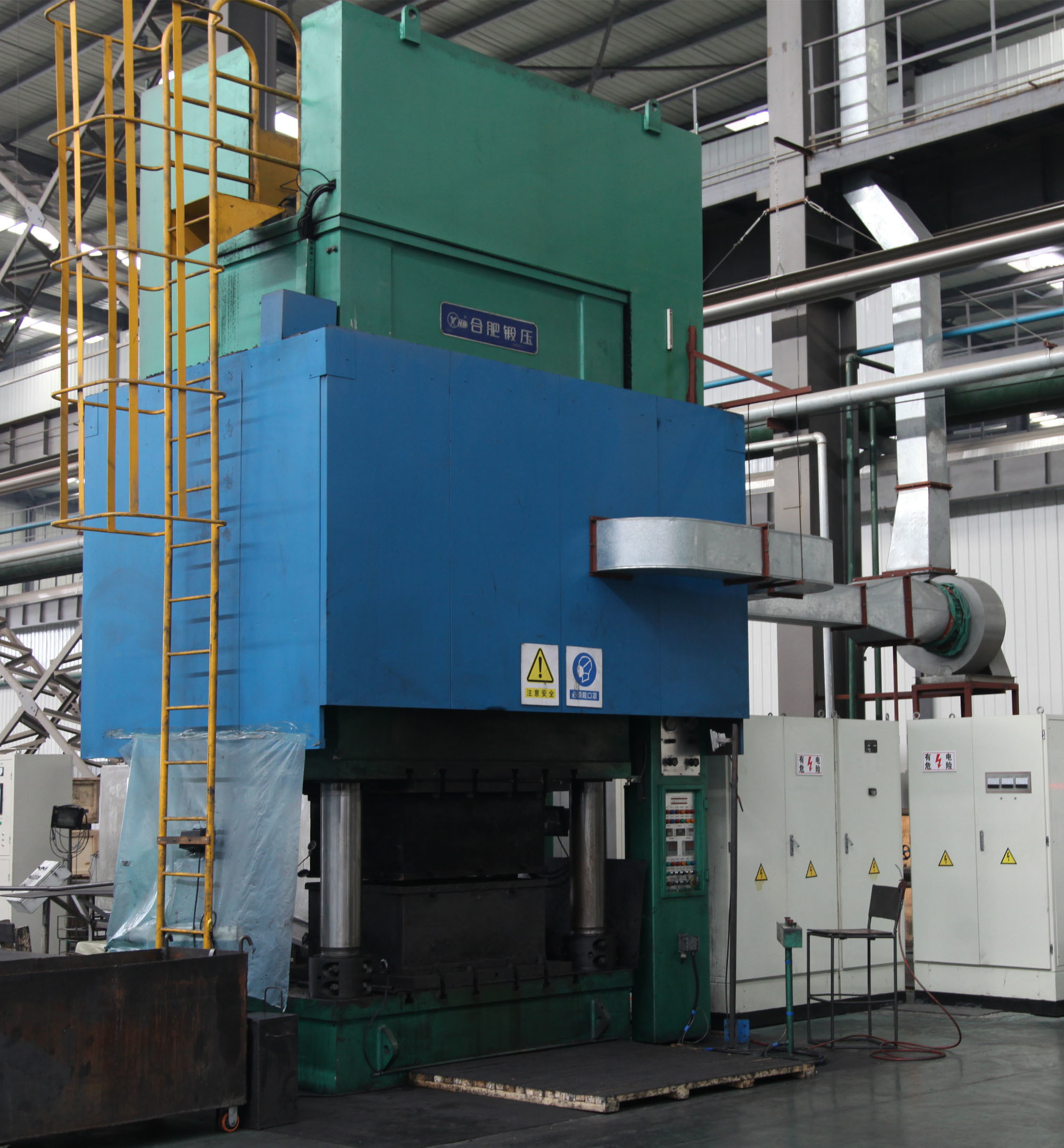
Covering the main grades of 1-7 series aluminum alloys, the products are high-precision seamless tubes, rods, profiles, drawn tubes, forgings, etc., widely used in new energy vehicles, aerospace, ships, UAVs, robots, security video surveillance, in-vehicle Internet of Things and other fields.
Challenges and Solutions in Working with 2011 Aluminum Alloy: A Comprehensive Guide for Industry Professionals
Challenges and Solutions in Working with 2011 Aluminum Alloy Table of Contents Introduction to 2011 Aluminum Alloy Key Properties of 2011 Aluminum Alloy Common Applications of 2011 Aluminum Alloy Challenges in Working with 2011 Aluminum Alloy Machinability Issues Corrosion Resistance Challenges Welding Difficulties Thermal M
Oct 01,2026
Challenges and Solutions in Working with 2011 Aluminum Alloy
Table of Contents
- Introduction to 2011 Aluminum Alloy
- Key Properties of 2011 Aluminum Alloy
- Common Applications of 2011 Aluminum Alloy
- Challenges in Working with 2011 Aluminum Alloy
- Machinability Issues
- Corrosion Resistance Challenges
- Welding Difficulties
- Thermal Management Problems
- Solutions to Overcome Challenges
- Improving Machinability
- Enhancing Corrosion Resistance
- Effective Welding Techniques
- Managing Thermal Properties
- Best Practices for Working with 2011 Aluminum Alloy
- Conclusion
- FAQs
Introduction to 2011 Aluminum Alloy
2011 aluminum alloy is renowned in various industries for its exceptional machinability and excellent mechanical properties. It is classified under the aluminum-copper series and is primarily used for applications that demand high precision and intricate machining. This article provides an in-depth examination of the challenges associated with working with 2011 aluminum alloy, as well as effective solutions that can enhance productivity and product quality.
Key Properties of 2011 Aluminum Alloy
Understanding the unique properties of 2011 aluminum alloy is essential for effectively addressing the challenges it presents. The main characteristics include:
- **High Strength**: 2011 aluminum alloy exhibits superior tensile strength, making it ideal for high-performance applications.
- **Excellent Machinability**: This alloy is among the easiest aluminum alloys to machine, allowing for complex shapes and fine tolerances.
- **Good Thermal Conductivity**: 2011 aluminum has a high thermal conductivity, which is beneficial in applications where heat dissipation is critical.
- **Moderate Corrosion Resistance**: While it offers some resistance to corrosion, it is not as robust as other aluminum alloys, requiring additional protective measures.
Common Applications of 2011 Aluminum Alloy
The applications of 2011 aluminum alloy are diverse, spanning several sectors:
- **Aerospace Components**: Due to its lightweight and strength properties, it is often used in aircraft parts.
- **Automotive Industry**: It is employed in manufacturing precision components for vehicles, contributing to both performance and fuel efficiency.
- **Electronic Housing**: The thermal properties make it suitable for electronic casings, where heat management is vital.
- **Machinery Parts**: Its machinability allows for the production of intricate components in various machines.
Challenges in Working with 2011 Aluminum Alloy
Despite its numerous advantages, working with 2011 aluminum alloy poses several challenges that professionals must navigate.
Machinability Issues
While 2011 aluminum alloy is known for its excellent machinability, specific challenges may arise:
- **Tool Wear**: High-speed machining can lead to rapid tool wear due to abrasive particles in the alloy.
- **Chip Management**: The chips produced during machining can be difficult to manage, potentially impacting the machining process.
Corrosion Resistance Challenges
Although 2011 aluminum alloy has moderate corrosion resistance, it is not immune to environmental factors:
- **Oxidation**: Exposure to moisture can lead to oxidation, compromising the alloy's integrity.
- **Galvanic Corrosion**: Utilizing dissimilar metals can result in galvanic corrosion, necessitating galvanic isolation strategies.
Welding Difficulties
Welding 2011 aluminum alloy can present challenges that require careful consideration:
- **High Thermal Conductivity**: The alloy's conductivity can lead to heat dissipation, making it challenging to achieve proper weld penetration.
- **Sensitivity to Cracking**: 2011 aluminum is prone to cracking during the welding process due to its alloying elements.
Thermal Management Problems
Thermal management is crucial in applications involving 2011 aluminum alloy:
- **Heat Treatment Sensitivity**: This alloy may require specific heat treatment processes to achieve desired mechanical properties without compromising integrity.
- **Thermal Expansion**: The alloy's thermal expansion characteristics must be accounted for in design to prevent deformation under temperature fluctuations.
Solutions to Overcome Challenges
To address the identified challenges, several effective solutions can be employed.
Improving Machinability
To enhance the machinability of 2011 aluminum alloy:
- **Use of Coated Tools**: Employing tools with specialized coatings can reduce wear and extend tool life.
- **Optimal Cutting Parameters**: Adjusting cutting speeds and feeds based on the specific machining operation can lead to improved outcomes.
Enhancing Corrosion Resistance
To combat corrosion issues, consider the following:
- **Protective Coatings**: Applying anodizing or other protective coatings can significantly enhance corrosion resistance.
- **Proper Material Selection**: When combining materials, select compatible metals to minimize galvanic corrosion risks.
Effective Welding Techniques
To successfully weld 2011 aluminum alloy:
- **Preheat the Material**: Preheating can reduce thermal stresses and improve the likelihood of achieving strong weld joints.
- **Control Heat Input**: Use welding techniques that minimize heat input to prevent distortion and cracking.
Managing Thermal Properties
To effectively manage thermal properties:
- **Controlled Heat Treatment**: Implement controlled heat treatment processes to achieve desired mechanical characteristics without compromising integrity.
- **Thermal Insulation**: Use thermal insulation materials in designs to mitigate effects of thermal expansion.
Best Practices for Working with 2011 Aluminum Alloy
In addition to addressing challenges with effective solutions, adopting best practices can further enhance the working experience with 2011 aluminum alloy:
- **Regular Maintenance of Equipment**: Keep machines and tools well-maintained to ensure optimal performance.
- **Operator Training**: Invest in training for operators to ensure they are familiar with the specific requirements and characteristics of 2011 aluminum alloy.
- **Quality Assurance Measures**: Implement quality control checks throughout the manufacturing process to catch potential issues early.
Conclusion
Working with 2011 aluminum alloy presents unique challenges, but with a clear understanding of its properties and applications, along with effective strategies for overcoming these challenges, professionals can maximize the benefits of this versatile material. By employing best practices, enhancing machinability, and addressing corrosion, welding, and thermal management issues, manufacturers can ensure high-quality outputs that meet the demands of various industries. As the use of 2011 aluminum alloy continues to grow, staying informed and adapting to the challenges associated with it will be key to maintaining a competitive edge in the market.
FAQs
1. What are the main applications of 2011 aluminum alloy?
2011 aluminum alloy is primarily used in aerospace components, automotive parts, electronic housings, and intricate machinery components due to its high strength and machinability.
2. How does corrosion affect 2011 aluminum alloy?
Corrosion can lead to oxidation and galvanic corrosion, which can compromise the integrity of 2011 aluminum alloy, especially when exposed to moisture or in contact with dissimilar metals.
3. What is the best way to weld 2011 aluminum alloy?
Preheating the material and controlling heat input during the welding process can help minimize cracking and distortion, leading to stronger weld joints.
4. How can machinability issues be mitigated when working with 2011 aluminum alloy?
Using coated tools and optimizing cutting parameters can significantly improve machinability and extend tool life.
5. Are there any specific heat treatment processes recommended for 2011 aluminum alloy?
Controlled heat treatment processes that consider the alloy's sensitivity can help achieve desired mechanical properties without compromising integrity.
Latest Developments








If you are interested in our products, please leave your E-mail and we will contact you as soon as possible. Thank you!