


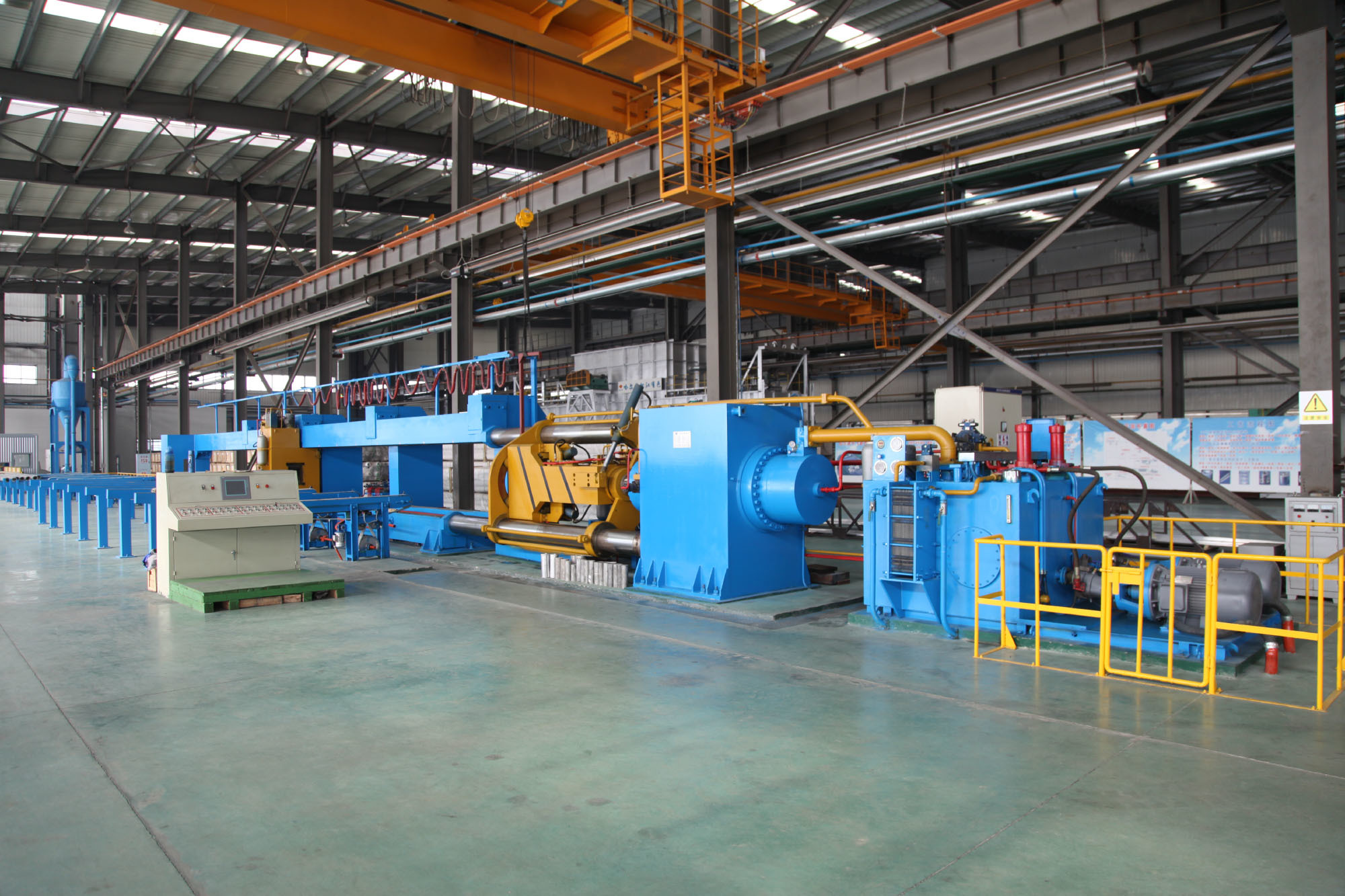
Covering the main grades of 1-7 series aluminum alloys, the products are high-precision seamless tubes, rods, profiles, drawn tubes, forgings, etc., widely used in new energy vehicles, aerospace, ships, UAVs, robots, security video surveillance, in-vehicle Internet of Things and other fields.
Understanding 7050 Aluminum Alloy: A Key Material in Metallurgy and Energy Industries
Aluminum alloys have become crucial in various industries due to their combination of strength, lightweight properties, and corrosion resistance. Among these, the 7050 aluminum alloy is notable for its exceptional performance in demanding applications. As a heat-treatable alloy, 7050 boasts a unique composition, including zinc as the primary alloying element, along with smaller amounts of magnesiu
Dec 14,2025
One of the primary attributes of 7050 aluminum alloy is its high strength-to-weight ratio. This feature is particularly advantageous in aerospace and transportation applications, where reducing weight while maintaining structural integrity is paramount. The alloy exhibits a tensile strength that can rival that of many steel grades, making it suitable for components that must endure substantial loads without compromising safety.
Another significant strength of 7050 aluminum alloy is its excellent resistance to stress corrosion cracking. This makes it a preferred choice for applications exposed to harsh environments, such as marine and offshore structures. The alloy's composition allows it to withstand the corrosive effects of saltwater and other aggressive media, ensuring longevity and reliability.
In addition to its mechanical properties, 7050 aluminum alloy is known for its good workability and weldability. This versatility enables manufacturers to create complex shapes and structures, further expanding its applicability. The alloy can be easily formed through conventional methods, allowing for efficient production processes that meet the demands of high-performance applications.
The heat treatment process for 7050 aluminum alloy enhances its mechanical properties even further. By subjecting the alloy to specific thermal treatments, manufacturers can optimize its strength and ductility, tailoring the material's characteristics to meet specific performance requirements. This adaptability makes 7050 a popular choice among engineers and designers aiming for innovation in their projects.
In summary, 7050 aluminum alloy stands out in the metallurgy and energy industries due to its unique blend of strength, lightweight characteristics, and corrosion resistance. Its ability to withstand harsh environments while providing excellent mechanical performance makes it a top choice for applications in aerospace, transportation, and other demanding fields. As industries continue to evolve, the significance of 7050 aluminum alloy is likely to grow, further establishing its role as a fundamental material in advanced engineering solutions.
Latest Developments








If you are interested in our products, please leave your E-mail and we will contact you as soon as possible. Thank you!