


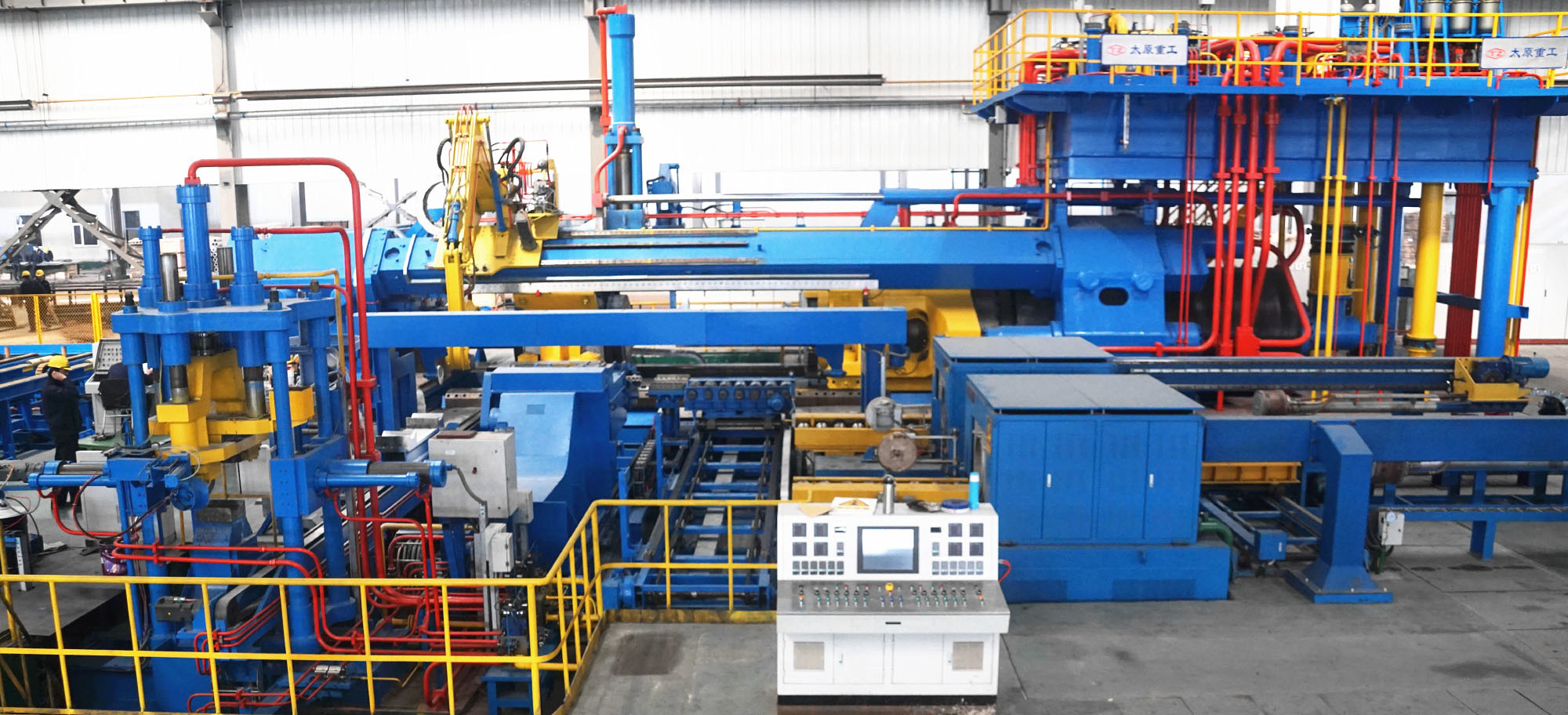
Covering the main grades of 1-7 series aluminum alloys, the products are high-precision seamless tubes, rods, profiles, drawn tubes, forgings, etc., widely used in new energy vehicles, aerospace, ships, UAVs, robots, security video surveillance, in-vehicle Internet of Things and other fields.
Unveiling the Benefits of 2011 Aluminum Alloy for Automotive Components
Unveiling the Benefits of 2011 Aluminum Alloy for Automotive Components Table of Contents 1. Introduction to 2011 Aluminum Alloy 2. Key Properties of 2011 Aluminum Alloy 2.1 Excellent Machinability 2.2 High Strength-to-Weight Ratio 2.3 Corrosion Resistance 3. Applications in Automotive Components 3.1 Engine Components 3.2 Transmission Parts 3.3 Structural Components 4. Advantag
Sep 11,2025
Unveiling the Benefits of 2011 Aluminum Alloy for Automotive Components
Table of Contents
1. Introduction to 2011 Aluminum Alloy
2. Key Properties of 2011 Aluminum Alloy
2.1 Excellent Machinability
2.2 High Strength-to-Weight Ratio
2.3 Corrosion Resistance
3. Applications in Automotive Components
3.1 Engine Components
3.2 Transmission Parts
3.3 Structural Components
4. Advantages Over Other Alloys
5. Sustainability and Environmental Impact
6. FAQs about 2011 Aluminum Alloy
7. Conclusion
1. Introduction to 2011 Aluminum Alloy
The automotive industry continually seeks materials that enhance performance while reducing weight and maximizing efficiency. Among the various materials available, **2011 aluminum alloy** has emerged as a game-changer for automotive components. This alloy is renowned for its excellent machinability and lightweight properties, making it a preferred choice for manufacturers aiming to improve vehicle performance and reduce fuel consumption.
2. Key Properties of 2011 Aluminum Alloy
The 2011 aluminum alloy exhibits several critical properties that make it highly desirable for automotive applications. Understanding these properties is essential as they directly contribute to the performance and durability of automotive components.
2.1 Excellent Machinability
One of the standout features of **2011 aluminum alloy** is its exceptional machinability. This alloy allows for precision machining, enabling manufacturers to create complex components with tight tolerances. Its high machinability is attributed to the alloy's unique composition, which includes a significant amount of lead. This enhances the ease with which the material can be cut and formed into intricate shapes, ultimately reducing production time and costs.
2.2 High Strength-to-Weight Ratio
Another major advantage of the 2011 aluminum alloy is its impressive **strength-to-weight ratio**. Vehicles constructed with lightweight materials like aluminum can achieve better fuel efficiency without compromising structural integrity. The 2011 alloy provides sufficient strength and rigidity, ensuring that components meet the necessary safety standards while keeping overall vehicle weight low.
2.3 Corrosion Resistance
Corrosion resistance is a vital property for automotive materials, as vehicles are often exposed to harsh environmental conditions. The 2011 aluminum alloy naturally resists corrosion, which helps extend the lifespan of automotive components. This resistance is essential in maintaining not only performance but also aesthetic appeal, as it prevents unsightly corrosion stains on vehicle surfaces.
3. Applications in Automotive Components
The unique properties of 2011 aluminum alloy make it suitable for a variety of automotive applications. Understanding where this alloy is utilized helps highlight its importance in the industry.
3.1 Engine Components
Engine components benefit significantly from the **lightweight nature** and high machinability of 2011 aluminum alloy. Parts such as engine brackets and housings can be fabricated with precision, allowing for weight reduction and improved fuel efficiency. Additionally, the alloy’s strength ensures that these components can withstand the demanding conditions within an engine compartment.
3.2 Transmission Parts
In transmissions, **2011 aluminum alloy** is used in various components, including gears and casings. The alloy's machinability allows for the creation of intricate gear designs, contributing to smoother operation and enhanced performance in modern vehicles. Furthermore, the reduction in weight helps improve overall vehicle dynamics.
3.3 Structural Components
Structural components in vehicles, such as frames and supports, are increasingly made from aluminum alloys. The 2011 alloy’s high strength and low weight make it an ideal choice for enhancing the structural integrity of a vehicle while minimizing excess weight. This advantage is particularly crucial in performance vehicles where weight distribution and structural support are paramount.
4. Advantages Over Other Alloys
When compared to other aluminum alloys, **2011 aluminum alloy** stands out due to its unique combination of properties. While many alloys offer strength or machinability, few can match the balance found in 2011. This alloy often outperforms others in terms of ease of machining, which translates to lower production costs and better surface finishes. The presence of lead in the alloy significantly enhances these machinability characteristics, making it a top choice for high-volume production applications.
5. Sustainability and Environmental Impact
As the automotive industry moves toward more sustainable practices, the choice of materials is increasingly scrutinized. The use of **2011 aluminum alloy** aligns with sustainable development goals as aluminum is highly recyclable. This means that components made from this alloy can be recycled at the end of their lifecycle, reducing waste and the need for new raw materials. Furthermore, lightweight vehicles contribute to lower fuel consumption, reducing carbon emissions and promoting environmental stewardship in the industry.
6. FAQs about 2011 Aluminum Alloy
**Q1: What is 2011 aluminum alloy used for in automotive applications?**
A1: 2011 aluminum alloy is widely used in automotive components such as engine parts, transmission systems, and structural supports due to its excellent machinability and high strength-to-weight ratio.
**Q2: How does the machinability of 2011 aluminum compare to other alloys?**
A2: 2011 aluminum alloy has superior machinability compared to many other aluminum alloys, allowing for easier fabrication and precision machining of complex parts.
**Q3: Is 2011 aluminum alloy resistant to corrosion?**
A3: Yes, 2011 aluminum alloy exhibits natural corrosion resistance, which helps enhance the durability and longevity of automotive components.
**Q4: Why is weight reduction important in automotive design?**
A4: Weight reduction is crucial as it leads to improved fuel efficiency, better handling, and overall enhanced vehicle performance.
**Q5: Can 2011 aluminum alloy be recycled?**
A5: Absolutely! Aluminum, including 2011 alloy, is highly recyclable and can be reused without losing its properties, making it an environmentally sustainable choice in automotive manufacturing.
7. Conclusion
The **2011 aluminum alloy** presents a multitude of benefits that make it an ideal choice for automotive components. Its exceptional machinability, high strength-to-weight ratio, and corrosion resistance position it as a leading material in the industry. As the automotive sector continues to focus on efficiency and sustainability, the use of 2011 aluminum alloy will likely expand, offering manufacturers the ability to create innovative, high-performance vehicles. Understanding and utilizing the advantages of this alloy is essential for staying competitive in the evolving automotive landscape.
Latest Developments








If you are interested in our products, please leave your E-mail and we will contact you as soon as possible. Thank you!