


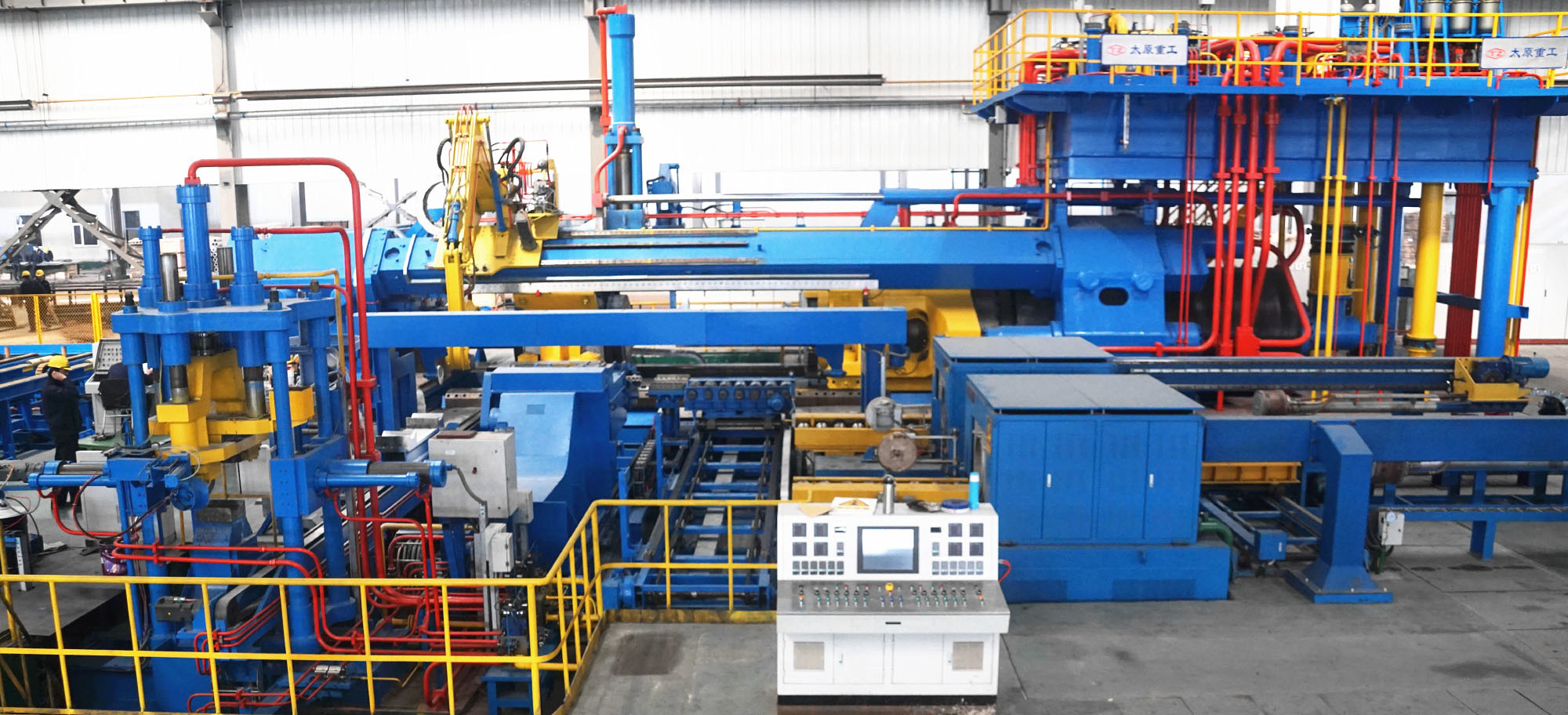
Covering the main grades of 1-7 series aluminum alloys, the products are high-precision seamless tubes, rods, profiles, drawn tubes, forgings, etc., widely used in new energy vehicles, aerospace, ships, UAVs, robots, security video surveillance, in-vehicle Internet of Things and other fields.
Innovative Applications of 2618 Aluminum Alloy in Metal Packaging
Innovative Applications of 2618 Aluminum Alloy in Metal Packaging Introduction to 2618 Aluminum Alloy 2618 aluminum alloy is renowned for its exceptional mechanical properties and corrosion resistance, making it an ideal choice for a variety of applications. With its high strength-to-weight ratio, this alloy has become a popular material in industries ranging from aerospace to automotive, and mo
Sep 10,2025
Innovative Applications of 2618 Aluminum Alloy in Metal Packaging
Introduction to 2618 Aluminum Alloy
2618 aluminum alloy is renowned for its exceptional mechanical properties and corrosion resistance, making it an ideal choice for a variety of applications. With its high strength-to-weight ratio, this alloy has become a popular material in industries ranging from aerospace to automotive, and most significantly, metal packaging.
Why Choose 2618 Aluminum Alloy for Metal Packaging?
The transition towards more sustainable and efficient packaging solutions drives the demand for advanced materials. 2618 aluminum alloy stands out in this regard due to its unique characteristics. Here are a few reasons why this alloy is increasingly being adopted in metal packaging:
1. Superior Strength and Durability
2618 aluminum alloy exhibits remarkable strength, particularly in high-temperature environments. Its ability to withstand impacts and stresses makes it perfect for packaging fragile products, ensuring they remain intact during transportation and storage.
2. Lightweight Nature
The lightweight properties of 2618 aluminum alloy contribute significantly to reducing the overall weight of packaging. This aspect not only lowers shipping costs but also enhances consumer convenience, making it easier to handle and store products.
3. Excellent Corrosion Resistance
Corrosion resistance is a critical factor in packaging materials, particularly in food and beverage industries. 2618 aluminum alloy effectively protects its contents from environmental factors, ensuring longer shelf life and maintaining product integrity.
4. Recyclability and Sustainability
With the global push for sustainable practices, 2618 aluminum alloy aligns perfectly with eco-friendly initiatives. Aluminum is a highly recyclable material, and the use of this alloy ensures that packaging solutions can be reused, contributing to a circular economy.
Innovative Applications of 2618 Aluminum Alloy in Metal Packaging
1. Aerospace Packaging
The aerospace industry demands packaging solutions that can withstand extreme conditions. 2618 aluminum alloy is utilized to create containers that protect sensitive components, ensuring they remain safe during transport. Its strength and durability reduce the risk of damage.
2. Beverage Cans
The beverage industry has embraced 2618 aluminum alloy for manufacturing cans, particularly for energy drinks and premium products. The alloy's lightweight nature allows for sleek designs while maintaining strength, making it an ideal choice for modern consumers.
3. Food Packaging Solutions
Food packaging requires materials that ensure safety and freshness. 2618 aluminum alloy offers a barrier against moisture and light, making it perfect for packaging snacks, ready-to-eat meals, and other perishable items. This technology not only preserves taste but also enhances shelf life.
4. Pharmaceutical Packaging
In the pharmaceutical sector, packaging integrity is paramount. 2618 aluminum alloy is used to package medicines in blister packs and other containers that require a high level of protection against environmental factors. This ensures that the efficacy of the drugs is maintained.
Technological Advancements in 2618 Aluminum Alloy Packaging
1. Advanced Coating Technologies
Innovations in coating technologies have enhanced the performance of 2618 aluminum alloy packaging. These coatings provide additional protection against corrosion and wear, further extending the lifespan of the packaging while maintaining aesthetic appeal.
2. Smart Packaging Solutions
The integration of smart technology into packaging is on the rise. 2618 aluminum alloy can be incorporated with sensors that monitor the condition of the contents, providing real-time data on factors such as temperature and humidity. This development is particularly valuable in the food and pharmaceutical industries.
3. Custom Design Capabilities
With advancements in manufacturing techniques, 2618 aluminum alloy can be easily formed into customized shapes and sizes. This flexibility allows brands to create unique packaging solutions that stand out on the shelves while catering to specific product requirements.
Challenges and Solutions in Using 2618 Aluminum Alloy for Packaging
1. Cost Considerations
While 2618 aluminum alloy offers numerous advantages, its production can be more expensive compared to other materials. However, the long-term benefits, such as reduced waste and improved product protection, can often outweigh the initial investment.
2. Availability and Supply Chain Issues
The demand for 2618 aluminum alloy is growing, leading to possible supply chain challenges. Collaborating with reliable suppliers and investing in local sourcing can mitigate these issues, ensuring a steady supply for manufacturers.
Future Trends in Metal Packaging with 2618 Aluminum Alloy
1. Increased Focus on Sustainable Practices
As consumers become more environmentally conscious, the demand for sustainable packaging solutions will continue to rise. 2618 aluminum alloy, with its recyclable properties, is positioned to play a vital role in this transition.
2. Innovations in Manufacturing Processes
The future of packaging will likely see ongoing innovations in manufacturing processes that make it easier to work with 2618 aluminum alloy. Techniques such as additive manufacturing and precision machining will enhance the efficiency and cost-effectiveness of producing aluminum packaging.
3. Growing Market for Custom Packaging Solutions
As brands seek to differentiate themselves, the demand for custom packaging solutions will grow. 2618 aluminum alloy’s versatility allows for innovative packaging designs that can cater to the unique marketing strategies of various industries.
Frequently Asked Questions (FAQs)
1. What industries benefit most from using 2618 aluminum alloy in packaging?
Industries such as aerospace, food and beverage, pharmaceuticals, and consumer goods are among the primary sectors benefiting from the use of 2618 aluminum alloy in packaging due to its strength, durability, and corrosion resistance.
2. How does 2618 aluminum alloy compare to other aluminum alloys in packaging?
2618 aluminum alloy offers superior strength and temperature resistance compared to many other aluminum alloys, making it ideal for applications that require enhanced performance and durability.
3. Is packaging made from 2618 aluminum alloy recyclable?
Yes, 2618 aluminum alloy is highly recyclable, contributing to sustainable practices in the packaging industry and aligning with global eco-friendly initiatives.
4. What are the cost implications of using 2618 aluminum alloy in packaging?
While the initial costs may be higher than some alternatives, the durability and long-term benefits of 2618 aluminum alloy can lead to cost savings over time through reduced waste and increased product protection.
5. How does the use of smart technology enhance 2618 aluminum alloy packaging?
Integrating smart technology into 2618 aluminum alloy packaging allows for real-time monitoring of conditions, providing valuable data that can improve the management of products, especially in sensitive industries like food and pharmaceuticals.
Conclusion
The innovative applications of 2618 aluminum alloy in metal packaging are paving the way for sustainable and efficient solutions across various industries. With its superior properties, including strength, durability, and recyclability, 2618 aluminum alloy provides a practical answer to the growing demands for effective packaging. As technology continues to advance, the future of this alloy in packaging looks promising, highlighting its role in meeting both market needs and environmental standards. The shift towards adopting 2618 aluminum alloy will not only enhance product protection but also contribute to a more sustainable packaging industry.
Latest Developments








If you are interested in our products, please leave your E-mail and we will contact you as soon as possible. Thank you!