


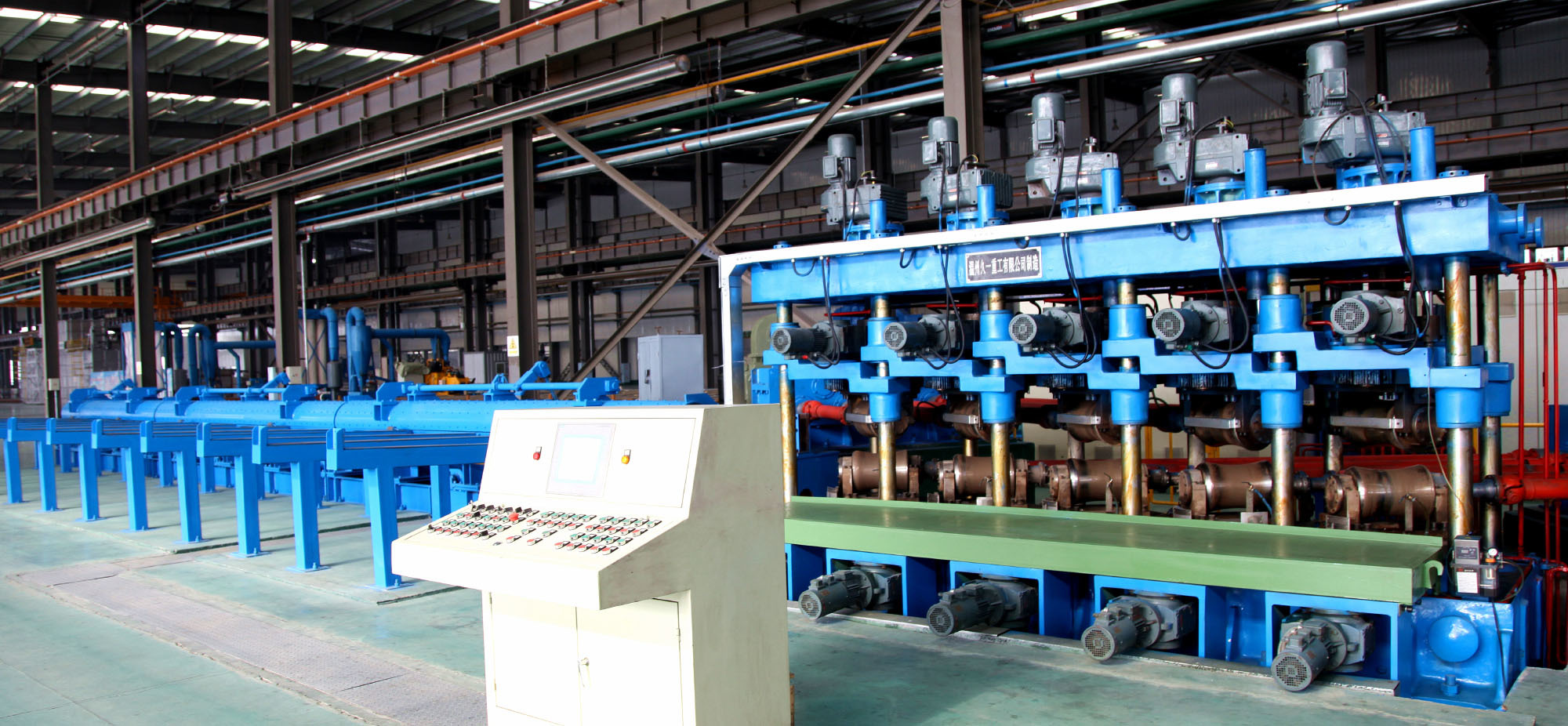
Covering the main grades of 1-7 series aluminum alloys, the products are high-precision seamless tubes, rods, profiles, drawn tubes, forgings, etc., widely used in new energy vehicles, aerospace, ships, UAVs, robots, security video surveillance, in-vehicle Internet of Things and other fields.
2618 Aluminum Alloy: Revolutionizing Eco-Friendly Packaging Solutions
2618 Aluminum Alloy: A Game Changer in Eco-Friendly Packaging Introduction to 2618 Aluminum Alloy In the packaging industry, the quest for environmentally friendly materials has led to innovative solutions that meet both sustainability and performance standards. One such material is **2618 aluminum alloy**. Known for its robust mechanical properties and lightweight nature, this alloy is rapidly ga
Jun 13,2026
2618 Aluminum Alloy: A Game Changer in Eco-Friendly Packaging
Introduction to 2618 Aluminum Alloy
In the packaging industry, the quest for environmentally friendly materials has led to innovative solutions that meet both sustainability and performance standards. One such material is **2618 aluminum alloy**. Known for its robust mechanical properties and lightweight nature, this alloy is rapidly gaining traction as a preferred choice in eco-friendly packaging. In this article, we will delve into the distinctive features of 2618 aluminum alloy, its advantages for packaging, and its potential to reshape the landscape of sustainable packaging solutions.
The Composition of 2618 Aluminum Alloy
Understanding the composition of **2618 aluminum alloy** is crucial to appreciating its unique characteristics. This alloy primarily consists of aluminum, copper, and trace amounts of other elements such as manganese and magnesium. The typical composition includes:
- **Aluminum (Al)**: 90.0% - 94.0%
- **Copper (Cu)**: 4.0% - 5.0%
- **Manganese (Mn)**: 0.3% - 0.8%
- **Magnesium (Mg)**: 0.2% - 0.6%
- **Silicon (Si)**: 0.2% - 0.6%
The combination of these elements results in a high-strength material with excellent thermal properties, making it suitable for various applications, including packaging.
Key Properties of 2618 Aluminum Alloy
1. Exceptional Strength
One of the primary advantages of **2618 aluminum alloy** is its exceptional strength-to-weight ratio. This attribute allows manufacturers to create lightweight packaging solutions without compromising durability. The alloy's strength is comparable to that of steel, making it an ideal choice for packaging products that require structural integrity.
2. Corrosion Resistance
Corrosion resistance is essential for packaging materials, particularly those exposed to various environmental conditions. The copper content in **2618 aluminum alloy** enhances its resistance to corrosion, ensuring that packaged products remain protected throughout their shelf life.
3. Thermal Conductivity
Another remarkable property of **2618 aluminum alloy** is its excellent thermal conductivity. This feature is particularly beneficial for food packaging, where maintaining temperature and freshness is crucial. The alloy's ability to conduct heat efficiently minimizes energy loss and helps preserve the quality of perishable items.
4. Lightweight Nature
The lightweight nature of **2618 aluminum alloy** translates to lower shipping costs and reduced carbon emissions during transport. By opting for this alloy in packaging solutions, companies can significantly decrease their environmental footprint while still providing robust protection for their products.
Applications of 2618 Aluminum Alloy in Packaging
As the focus on eco-friendly packaging intensifies, **2618 aluminum alloy** is finding its way into various applications within the industry. Here are some notable uses:
1. Food and Beverage Packaging
The food and beverage sector is one of the largest consumers of **2618 aluminum alloy**. Its strength, corrosion resistance, and thermal properties make it ideal for packaging items such as canned goods, beverages, and ready-to-eat meals. The alloy helps maintain product integrity while ensuring a longer shelf life.
2. Pharmaceutical Packaging
In the pharmaceutical industry, the need for sterile and secure packaging is paramount. **2618 aluminum alloy** provides an excellent barrier against moisture and contaminants, ensuring that medications remain effective and safe for consumption.
3. Electronics Packaging
With the rapid growth of the electronics industry, protective packaging solutions are essential to prevent damage during transportation and storage. The lightweight and durable characteristics of **2618 aluminum alloy** make it an attractive option for packaging electronic components, minimizing the risk of breakage and malfunctions.
Environmental Benefits of Using 2618 Aluminum Alloy
As businesses increasingly prioritize sustainability, the environmental benefits of **2618 aluminum alloy** come into sharp focus. Here are some key advantages:
1. Recyclability
Aluminum is one of the most recyclable materials available, and **2618 aluminum alloy** is no exception. Recycled aluminum saves up to 95% of the energy required to produce new aluminum. By choosing this alloy for packaging, companies contribute to a circular economy, reducing waste and conserving natural resources.
2. Reduced Carbon Footprint
Utilizing **2618 aluminum alloy** can significantly lower a company's carbon footprint. Its lightweight nature leads to decreased fuel consumption during transportation, while its recyclability minimizes energy usage in production processes.
3. Long-Term Sustainability
The durability and strength of **2618 aluminum alloy** ensure a longer lifespan for packaging materials. This longevity not only reduces the frequency of repurchasing packaging but also decreases the overall environmental impact associated with production and disposal.
Challenges and Considerations
Despite the numerous advantages of **2618 aluminum alloy**, there are some challenges and considerations that manufacturers must acknowledge:
1. Cost of Production
The production cost of **2618 aluminum alloy** can be higher than that of traditional packaging materials. However, the long-term benefits of durability, strength, and recyclability often outweigh initial costs, making it a worthwhile investment for many companies.
2. Limited Availability
While the demand for **2618 aluminum alloy** is growing, its availability may be limited compared to more common alloys. Manufacturers must establish strong supply chain relationships to ensure a consistent flow of materials.
Future Trends in Eco-Friendly Packaging
As the packaging industry evolves, several trends are emerging that may influence the future use of **2618 aluminum alloy**:
1. Increased Demand for Sustainable Solutions
With consumers becoming more environmentally conscious, the demand for sustainable packaging solutions will continue to rise. This trend will likely propel the adoption of **2618 aluminum alloy** as companies seek eco-friendly alternatives.
2. Innovation in Manufacturing Processes
Advancements in manufacturing technologies may reduce the production costs of **2618 aluminum alloy**, making it more accessible for a broader range of applications. Innovations such as additive manufacturing and improved recycling processes could play a significant role in this evolution.
3. Regulatory Changes
As governments worldwide implement stricter regulations on packaging waste, companies may be compelled to adopt materials like **2618 aluminum alloy** that align with sustainability goals. Compliance with these regulations will drive innovation and investment in eco-friendly packaging solutions.
FAQs About 2618 Aluminum Alloy in Eco-Friendly Packaging
1. What makes 2618 aluminum alloy eco-friendly?
**2618 aluminum alloy** is eco-friendly due to its high recyclability, lower carbon footprint during transport, and durability, which extends the lifespan of packaging materials.
2. Is 2618 aluminum alloy safe for food packaging?
Yes, **2618 aluminum alloy** is safe for food packaging. Its corrosion resistance and excellent barrier properties help maintain product integrity and safety.
3. How does 2618 aluminum alloy compare to other materials in terms of sustainability?
**2618 aluminum alloy** offers superior sustainability benefits compared to many traditional materials due to its recyclability, durability, and reduced environmental impact during production and transport.
4. Can 2618 aluminum alloy be easily recycled?
Yes, **2618 aluminum alloy** is easily recyclable. The recycling process saves significant energy compared to producing new aluminum, contributing to a circular economy.
5. What industries benefit the most from using 2618 aluminum alloy in packaging?
Industries such as food and beverage, pharmaceuticals, and electronics benefit greatly from using **2618 aluminum alloy** due to its strength, durability, and corrosion resistance.
Conclusion
In conclusion, **2618 aluminum alloy** is emerging as a game changer in the realm of eco-friendly packaging. Its exceptional mechanical properties, corrosion resistance, lightweight nature, and recyclability make it an ideal choice across various industries. As businesses increasingly emphasize sustainability, the adoption of **2618 aluminum alloy** is likely to grow, paving the way for innovative packaging solutions that align with environmental responsibility. By embracing this advanced material, companies can not only enhance their packaging performance but also contribute to a more sustainable future.
Latest Developments








If you are interested in our products, please leave your E-mail and we will contact you as soon as possible. Thank you!