


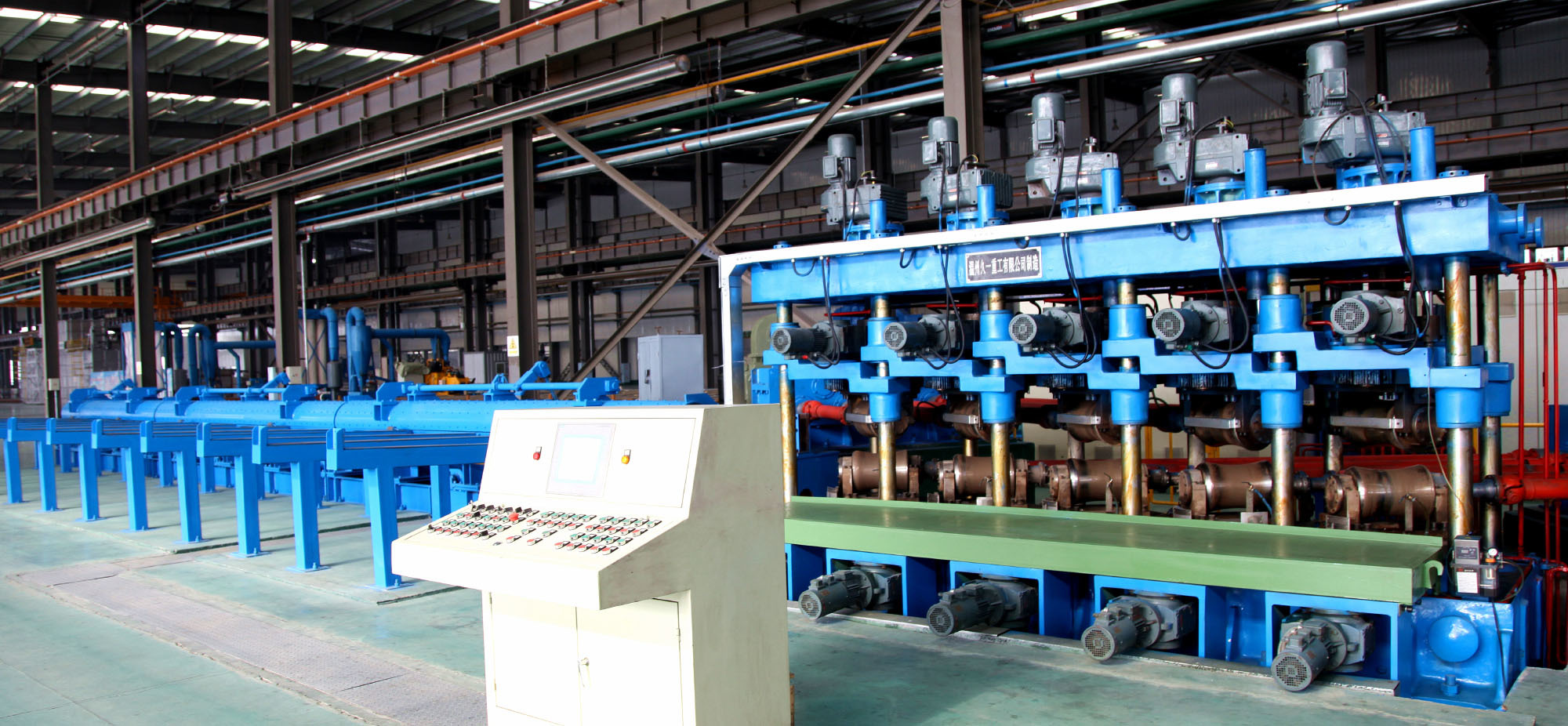
Covering the main grades of 1-7 series aluminum alloys, the products are high-precision seamless tubes, rods, profiles, drawn tubes, forgings, etc., widely used in new energy vehicles, aerospace, ships, UAVs, robots, security video surveillance, in-vehicle Internet of Things and other fields.
The Future of 2024 Aluminum Alloy: Innovations and Applications
--- 2024 aluminum alloy is renowned for its high strength-to-weight ratio, making it an essential material in sectors that prioritize performance and durability. Composed primarily of aluminum, copper, and other alloying elements, this alloy is particularly valued in aerospace, automotive, and military applications, where strength and lightweight characteristics are crucial. One of the standout fe
Apr 29,2026
2024 aluminum alloy is renowned for its high strength-to-weight ratio, making it an essential material in sectors that prioritize performance and durability. Composed primarily of aluminum, copper, and other alloying elements, this alloy is particularly valued in aerospace, automotive, and military applications, where strength and lightweight characteristics are crucial.
One of the standout features of 2024 aluminum alloy is its excellent machinability and formability. It can be easily processed into various shapes and sizes, thereby accommodating a wide range of engineering requirements. This attribute is especially beneficial in the manufacturing of components such as aircraft structures, truck frames, and missile parts, where precision and reliability are paramount.
The alloy exhibits good fatigue resistance, which is vital for components subjected to cyclic loading. However, it is important to note that while 2024 aluminum alloy has remarkable strength, it is less corrosion-resistant compared to other aluminum alloys, such as 6061 or 7075. To mitigate this, surface treatments or coatings are often employed to enhance its resistance to oxidation and environmental factors.
In terms of thermal properties, 2024 aluminum alloy can maintain its structural integrity at elevated temperatures, making it suitable for applications in aerospace environments where components may be exposed to high heat. The alloy's thermal conductivity also allows for efficient heat dissipation, which is crucial in applications where temperature management is critical.
2024 aluminum alloy is available in various forms including sheets, plates, bars, and extrusions, making it versatile for different manufacturing processes. The alloy's superior strength and lightweight nature enable engineers and designers to create innovative solutions that improve overall performance while reducing overall weight, an essential consideration in transport and energy sectors.
As industries evolve, the demand for materials like 2024 aluminum alloy is expected to grow, particularly as more companies prioritize sustainability and efficiency. Research and development efforts continue to explore advanced processing techniques and alloying methods that could enhance the properties of 2024 aluminum alloy, further expanding its potential applications.
In conclusion, 2024 aluminum alloy stands out as a high-performance material suitable for a myriad of applications, particularly in the sectors of metallurgy, mining, and energy. Its unique combination of strength, machinability, and thermal resilience makes it a key player in the development of innovative engineering solutions. Understanding its properties and applications is crucial for professionals aiming to leverage advanced materials in their projects.
Latest Developments








If you are interested in our products, please leave your E-mail and we will contact you as soon as possible. Thank you!