


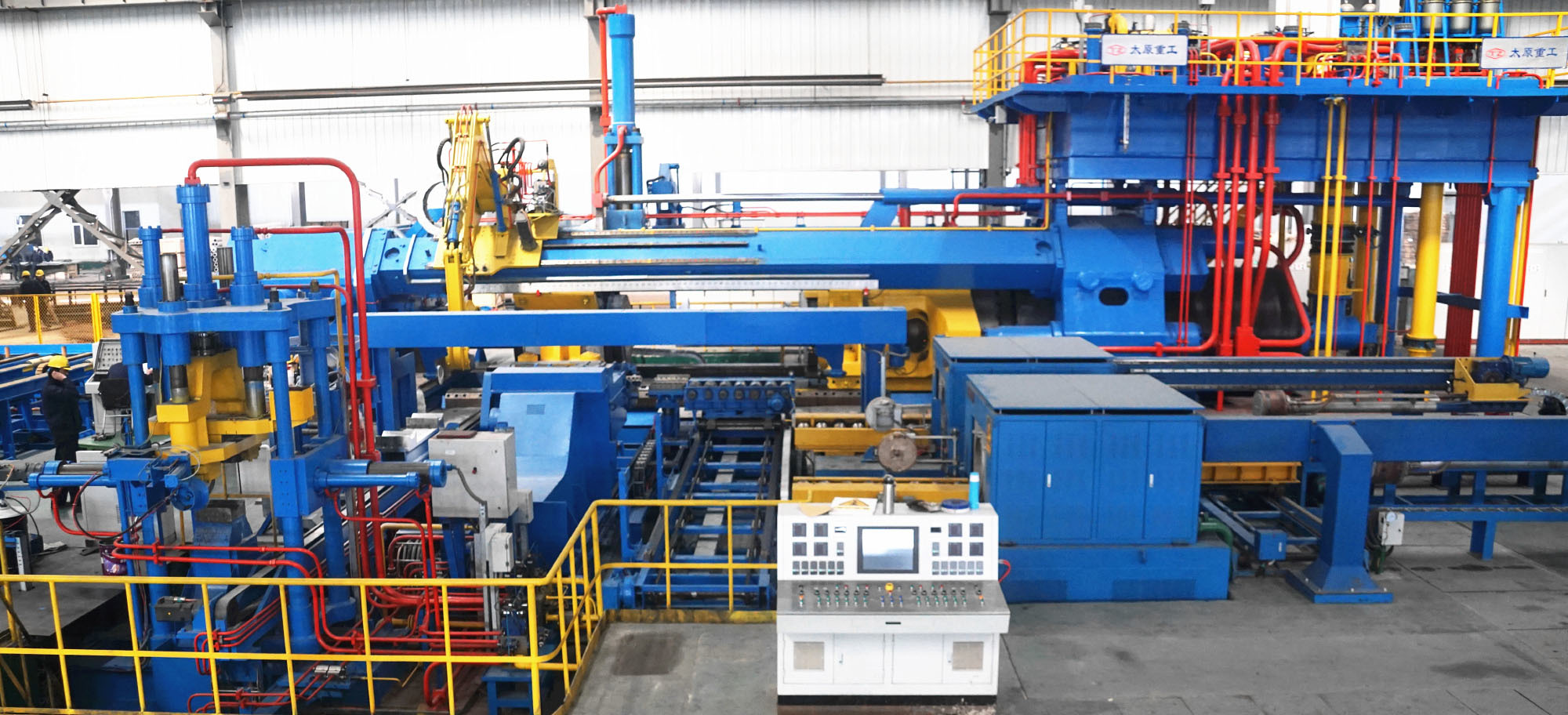
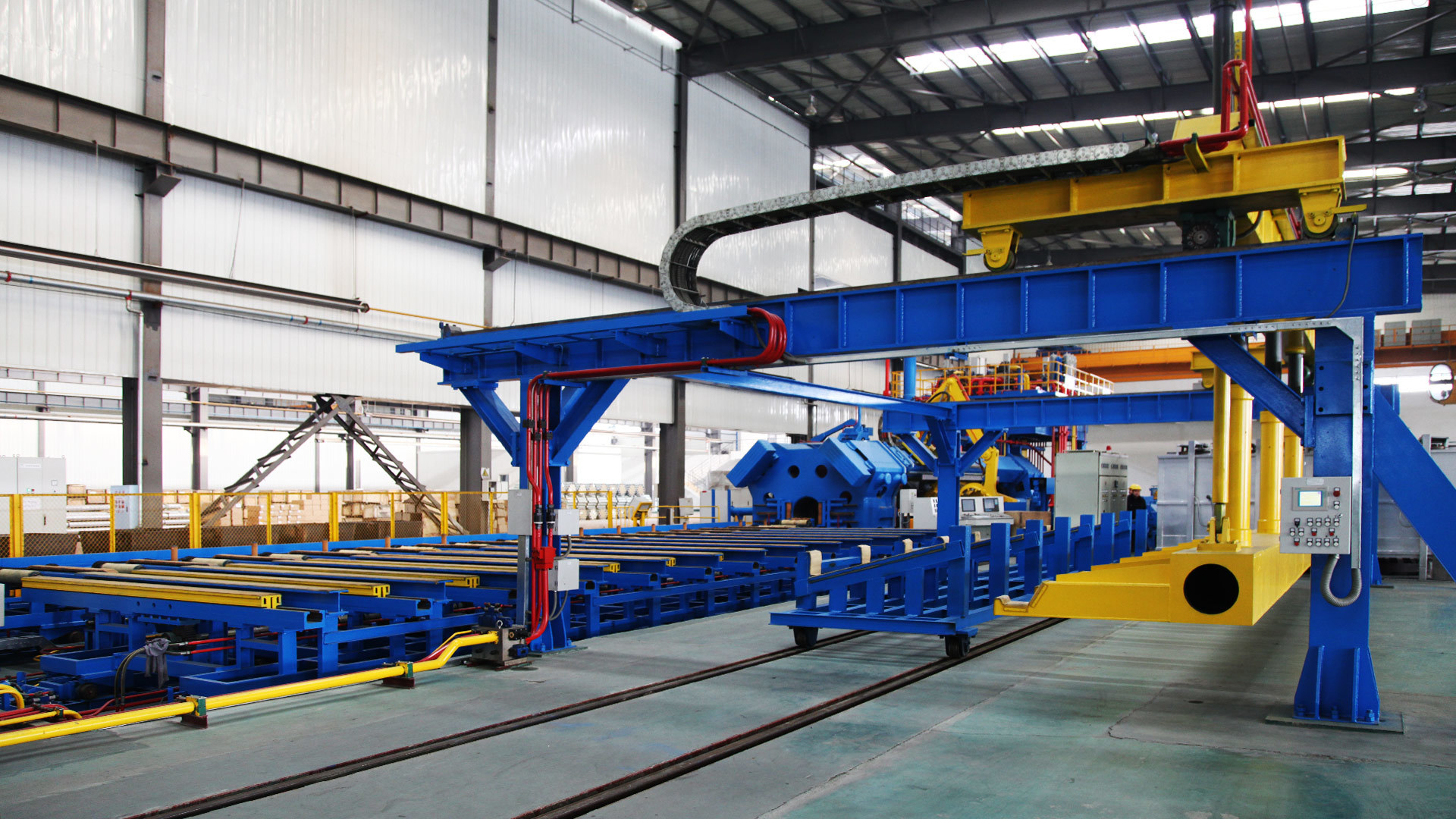
Covering the main grades of 1-7 series aluminum alloys, the products are high-precision seamless tubes, rods, profiles, drawn tubes, forgings, etc., widely used in new energy vehicles, aerospace, ships, UAVs, robots, security video surveillance, in-vehicle Internet of Things and other fields.
2011 Aluminum Alloy: The Secret Ingredient for Lightweight Structures
2011 Aluminum Alloy: The Secret Ingredient for Lightweight Structures The quest for lightweight materials that do not compromise on strength or durability is an ongoing challenge in various industries, especially in construction, automotive, and aerospace. Among the range of materials available, **2011 aluminum alloy** emerges as a leading choice due to its exceptional properties. This article del
Mar 05,2026
2011 Aluminum Alloy: The Secret Ingredient for Lightweight Structures
The quest for lightweight materials that do not compromise on strength or durability is an ongoing challenge in various industries, especially in construction, automotive, and aerospace. Among the range of materials available, **2011 aluminum alloy** emerges as a leading choice due to its exceptional properties. This article delves into the significance, applications, and advantages of 2011 aluminum alloy, positioning it as the go-to solution for creating lightweight structures.
Table of Contents
- Introduction to 2011 Aluminum Alloy
- Composition and Properties of 2011 Aluminum Alloy
- Advantages of Using 2011 Aluminum Alloy
- Applications of 2011 Aluminum Alloy in Various Industries
- Manufacturing Techniques for 2011 Aluminum Alloy
- Comparing 2011 Aluminum Alloy with Other Alloys
- Environmental Impact and Sustainability of 2011 Aluminum Alloy
- The Future of 2011 Aluminum Alloy in Lightweight Structures
- Frequently Asked Questions
- Conclusion
Introduction to 2011 Aluminum Alloy
In the world of metallurgy, **aluminum alloys** play a pivotal role in creating components that require a balance of lightness and resilience. The **2011 aluminum alloy**, known for its superior machinability, is particularly valuable in sectors that demand precision and performance. Its unique composition makes it ideal for applications where weight reduction is essential without sacrificing structural integrity.
Composition and Properties of 2011 Aluminum Alloy
The **2011 aluminum alloy** primarily consists of aluminum, copper, and small amounts of other elements like manganese and silicon. This specific mix provides excellent strength-to-weight ratios and remarkable machinability. The key properties that make 2011 aluminum alloy a standout material include:
- High Strength: Despite its lightweight nature, 2011 aluminum alloy boasts impressive tensile strength, making it suitable for load-bearing applications.
- Exceptional Machinability: This alloy is among the easiest to machine, allowing for precise fabrication of complex shapes and components.
- Corrosion Resistance: The alloy exhibits good resistance to corrosion, especially when treated, thus enhancing its longevity.
- Weldability: Although welding can be challenging, techniques such as friction stir welding have proven effective with 2011 aluminum alloy.
Advantages of Using 2011 Aluminum Alloy
The advantages of **2011 aluminum alloy** extend far beyond its physical properties. Here are some of the key benefits:
1. Lightweight Yet Durable
The reduction in weight without compromising durability is perhaps the most significant advantage. This property is particularly crucial in sectors like aerospace, where every ounce counts.
2. Cost-Effectiveness
While the initial cost may be higher than that of some other materials, the long-term savings due to reduced weight and increased performance often offset this. Less material use can also lead to lower production costs.
3. Improved Performance
Components made from 2011 aluminum alloy often outperform those made from traditional materials, leading to enhanced overall efficiency in applications, particularly in automotive and aerospace domains.
4. Versatile Applications
The versatility of this alloy allows it to be used in a wide range of products, from aerospace components to precision instruments, making it a favorite among engineers and designers.
Applications of 2011 Aluminum Alloy in Various Industries
The applications of **2011 aluminum alloy** are vast and varied. Here are some prominent sectors where this alloy is making waves:
Aerospace Industry
In the aerospace sector, weight reduction is paramount. Components such as brackets, fittings, and other structural elements are often manufactured using 2011 aluminum alloy, contributing to increased fuel efficiency and performance.
Automotive Industry
With the push for more efficient vehicles, the automotive industry is increasingly turning to lightweight materials. The use of 2011 aluminum alloy in engine components, transmission cases, and other parts helps reduce overall vehicle weight.
Consumer Electronics
From laptop casings to precision tools, 2011 aluminum alloy is prevalent in consumer electronics due to its lightweight and sturdy characteristics, enhancing portability and performance.
Medical Devices
The medical field also benefits from this alloy, with applications in surgical instruments and devices where precision and durability are critical.
Manufacturing Techniques for 2011 Aluminum Alloy
The manufacturing processes for **2011 aluminum alloy** are designed to maximize its unique properties. Key techniques include:
CNC Machining
Computer Numerical Control (CNC) machining is widely used due to the alloy’s exceptional machinability, allowing for intricate designs and precise dimensions.
Extrusion
Extrusion is a popular method for shaping 2011 aluminum alloy into complex profiles, making it ideal for structural applications.
Forging
Forged parts made from this alloy exhibit enhanced strength and durability, making forging an important technique for high-stress applications.
Comparing 2011 Aluminum Alloy with Other Alloys
When selecting an alloy for specific applications, comparing **2011 aluminum alloy** with other types can be insightful:
2011 vs. 6061 Aluminum Alloy
While 6061 aluminum alloy is known for its versatility and welding capabilities, 2011 excels in machinability. 6061 is more commonly used for structural applications, whereas 2011 is preferred for precision machining.
2011 vs. 7075 Aluminum Alloy
7075 aluminum alloy is renowned for its high strength; however, it lacks the machinability of 2011. Therefore, while 7075 is often used in aerospace applications requiring high strength, 2011 is favored for intricate components.
Environmental Impact and Sustainability of 2011 Aluminum Alloy
As industries move towards more sustainable practices, the environmental impact of materials used is becoming increasingly important. The **2011 aluminum alloy** supports sustainability in several ways:
Recyclability
Aluminum alloys, including 2011, are 100% recyclable without loss of properties, significantly reducing waste and energy consumption associated with production.
Energy Efficiency
The lightweight nature of 2011 aluminum alloy contributes to energy efficiency in applications, particularly in transport, where reduced weight leads to lower fuel consumption.
The Future of 2011 Aluminum Alloy in Lightweight Structures
The future of **2011 aluminum alloy** appears promising, with ongoing research focusing on enhancing its properties further and expanding its applications. Innovations in manufacturing techniques and alloy formulations are expected to unlock new potentials, making this alloy an even more attractive option for lightweight structures.
Frequently Asked Questions
What is 2011 aluminum alloy used for?
2011 aluminum alloy is primarily used in applications requiring high machinability, such as precision components in aerospace, automotive, and consumer electronics.
How does 2011 aluminum alloy compare to other aluminum alloys?
2011 aluminum alloy offers superior machinability compared to many other alloys, making it ideal for complex parts. However, it may not be as strong as high-strength alloys like 7075.
Is 2011 aluminum alloy resistant to corrosion?
Yes, 2011 aluminum alloy exhibits good corrosion resistance, especially when treated or coated, enhancing its longevity in various applications.
Can 2011 aluminum alloy be welded?
While welding 2011 aluminum alloy can be challenging, techniques like friction stir welding have proven effective in joining this alloy.
What are the environmental benefits of using 2011 aluminum alloy?
The recyclability of 2011 aluminum alloy and its contribution to energy efficiency in applications are significant environmental benefits that make it a sustainable choice for manufacturing.
Conclusion
In summary, **2011 aluminum alloy** stands out as a vital material in the pursuit of lightweight structures across various industries. Its unique properties, including high strength, exceptional machinability, and versatility, make it a preferred choice for engineers and manufacturers alike. As we continue to innovate and prioritize sustainability, the role of 2011 aluminum alloy will undoubtedly expand, leading to even more efficient and effective applications in the future. Embracing this remarkable material today paves the way for advancements in lightweight design and manufacturing, securing its place as a secret ingredient in constructing the future.
Latest Developments







If you are interested in our products, please leave your E-mail and we will contact you as soon as possible. Thank you!