


Covering the main grades of 1-7 series aluminum alloys, the products are high-precision seamless tubes, rods, profiles, drawn tubes, forgings, etc., widely used in new energy vehicles, aerospace, ships, UAVs, robots, security video surveillance, in-vehicle Internet of Things and other fields.
The Role of 2011 Aluminum Alloy in Advancing Renewable Energy Technologies
The Role of 2011 Aluminum Alloy in Advancing Renewable Energy Technologies Table of Contents Introduction to 2011 Aluminum Alloy Key Properties of 2011 Aluminum Alloy Significant Applications in Renewable Energy Solar Energy Systems Wind Energy Solutions Energy Storage Technologies Sustainability and Environmental Impact Manufacturing Processes for 2011 Alumi
Oct 30,2025
The Role of 2011 Aluminum Alloy in Advancing Renewable Energy Technologies
Table of Contents
- Introduction to 2011 Aluminum Alloy
- Key Properties of 2011 Aluminum Alloy
- Significant Applications in Renewable Energy
- Sustainability and Environmental Impact
- Manufacturing Processes for 2011 Aluminum Alloy
- The Future of 2011 Aluminum Alloy in Energy Technologies
- Challenges and Limitations
- Conclusion
- Frequently Asked Questions
Introduction to 2011 Aluminum Alloy
The **2011 aluminum alloy** is a high-performance material known for its exceptional machinability and strength. As industries increasingly focus on renewable energy technologies, this alloy plays a crucial role in developing more efficient and sustainable solutions. Its unique properties make it particularly suitable for applications in solar panels, wind turbines, and energy storage systems.
Key Properties of 2011 Aluminum Alloy
The 2011 aluminum alloy boasts several key properties that make it ideal for various applications in renewable energy:
Machinability
One of the standout features of the 2011 aluminum alloy is its remarkable machinability. It allows manufacturers to create complex shapes and components with high precision, essential for the intricate designs of renewable energy equipment.
Strength-to-Weight Ratio
This alloy exhibits an excellent strength-to-weight ratio, enabling the construction of lightweight components without compromising durability. This property is particularly beneficial in applications where weight reduction is critical, such as in wind turbine blades and solar panel frames.
Corrosion Resistance
The inherent corrosion resistance of the 2011 aluminum alloy ensures long-term performance in various environmental conditions. This characteristic makes it suitable for outdoor applications in renewable energy systems, which often face exposure to the elements.
Significant Applications in Renewable Energy
The versatility of 2011 aluminum alloy allows it to be utilized in multiple areas within the renewable energy sector.
Solar Energy Systems
In solar energy systems, the 2011 aluminum alloy is commonly used in the manufacturing of frames and support structures for solar panels. Its lightweight nature facilitates easier installation and transportation, while its strength ensures longevity. The alloy’s corrosion resistance also protects against degradation from environmental factors, enhancing the overall efficiency of solar installations.
Wind Energy Solutions
The wind energy sector benefits significantly from the use of 2011 aluminum alloy in the production of components such as turbine housings and rotor blades. The lightweight properties reduce the load on turbine towers, improving energy efficiency while also lowering the cost of materials and transportation. Additionally, the alloy's machinability enables the creation of intricate designs that optimize aerodynamic performance.
Energy Storage Technologies
Energy storage is a critical aspect of renewable energy systems, allowing for the effective management of supply and demand. The 2011 aluminum alloy finds applications in battery enclosures and heat exchangers due to its lightweight and durable characteristics. This use improves the overall efficiency and effectiveness of energy storage solutions.
Sustainability and Environmental Impact
The use of 2011 aluminum alloy aligns well with sustainability initiatives in the renewable energy sector. Its recyclability significantly reduces the environmental footprint associated with manufacturing new materials. The alloy can be recycled without losing its essential properties, contributing to a circular economy and promoting sustainable practices.
Manufacturing Processes for 2011 Aluminum Alloy
The production of components from 2011 aluminum alloy involves advanced manufacturing techniques that leverage its unique properties.
Extrusion
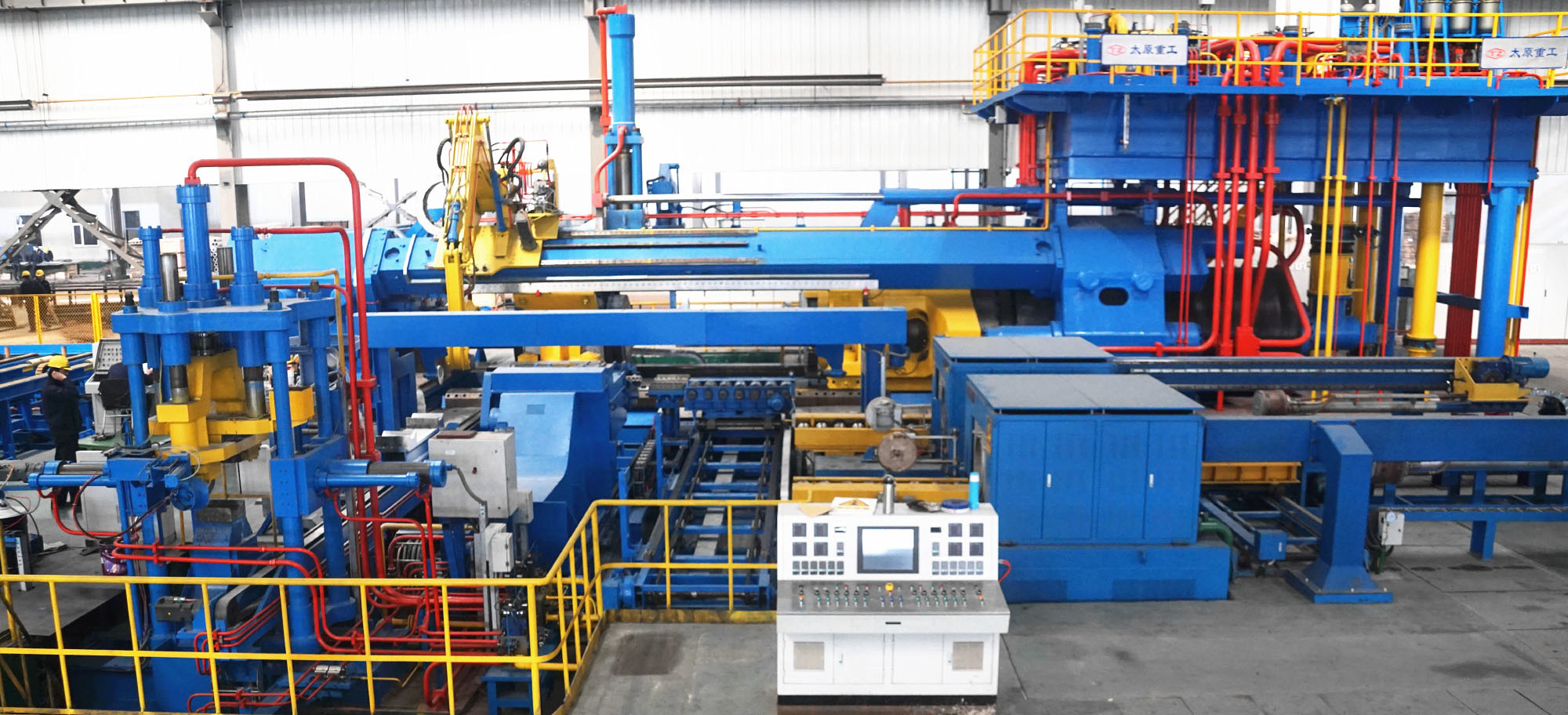
Extrusion is a prevalent method used to create complex shapes from 2011 aluminum alloy. This process allows for efficient production of long sections that can be cut to size, making it ideal for solar panel frames and wind turbine components.
CNC Machining
CNC machining is often employed to achieve the precision required in renewable energy applications. This technology allows for the creation of intricate designs and fine tolerances necessary for optimal performance.
Joining Techniques
Effective joining techniques are essential for assembling components made from 2011 aluminum alloy. Techniques such as welding and adhesive bonding are commonly used to create strong, durable joints that can withstand the rigors of renewable energy environments.
The Future of 2011 Aluminum Alloy in Energy Technologies
As the demand for renewable energy technologies continues to rise, the role of 2011 aluminum alloy is likely to expand. Ongoing research and development aim to enhance its properties further, making it an even more attractive option for manufacturers and designers in the energy sector. Innovations in alloy formulations and processing techniques could lead to lighter, stronger, and more efficient materials.
Challenges and Limitations
Despite its numerous advantages, the 2011 aluminum alloy does face some challenges. One significant limitation is its susceptibility to stress corrosion cracking, which can impact its longevity in certain environments. Additionally, the cost of raw materials and production processes can be higher than those of alternatives, potentially limiting its widespread adoption. Addressing these challenges through ongoing research and technological advancements will be essential for maximizing the potential of the 2011 aluminum alloy.
Conclusion
The **2011 aluminum alloy** serves as a pivotal component in advancing renewable energy technologies. Its unique properties, including excellent machinability, strength-to-weight ratio, and corrosion resistance, make it a preferable choice for applications in solar energy, wind energy, and energy storage. As the push for sustainability continues, the contributions of 2011 aluminum alloy will likely expand, fostering innovation and efficiency in the renewable energy sector.
Frequently Asked Questions
1. What is the 2011 aluminum alloy primarily used for?
The 2011 aluminum alloy is primarily used in applications requiring high machinability and strength, such as solar panel frames, wind turbine components, and energy storage systems.
2. How does the 2011 aluminum alloy contribute to sustainability?
The alloy is highly recyclable, allowing manufacturers to minimize waste and environmental impact, promoting a circular economy in the renewable energy sector.
3. What are the advantages of using 2011 aluminum alloy in solar energy systems?
The alloy's lightweight nature, corrosion resistance, and machinability make it an ideal choice for solar panel frames, enhancing installation efficiency and longevity.
4. Are there any challenges associated with the use of 2011 aluminum alloy?
Yes, challenges include susceptibility to stress corrosion cracking and potentially higher production costs compared to alternative materials.
5. What manufacturing processes are commonly used for 2011 aluminum alloy?
Common manufacturing processes include extrusion and CNC machining, which facilitate the production of complex shapes and precise components for renewable energy applications.
Latest Developments








If you are interested in our products, please leave your E-mail and we will contact you as soon as possible. Thank you!