


Covering the main grades of 1-7 series aluminum alloys, the products are high-precision seamless tubes, rods, profiles, drawn tubes, forgings, etc., widely used in new energy vehicles, aerospace, ships, UAVs, robots, security video surveillance, in-vehicle Internet of Things and other fields.
The Versatility of 7475 Aluminum Alloy in Various Industries
The Versatility of 7475 Aluminum Alloy in Various Industries Table of Contents 1. Introduction to 7475 Aluminum Alloy 2. Key Properties of 7475 Aluminum Alloy 3. Applications in the Aerospace Industry 4. The Role of 7475 in the Automotive Sector 5. Utilization in Marine Applications 6. Importance in Construction and Structural Engineering 7. Manufacturing Techniques fo
Aug 21,2025
The Versatility of 7475 Aluminum Alloy in Various Industries
Table of Contents
- 1. Introduction to 7475 Aluminum Alloy
- 2. Key Properties of 7475 Aluminum Alloy
- 3. Applications in the Aerospace Industry
- 4. The Role of 7475 in the Automotive Sector
- 5. Utilization in Marine Applications
- 6. Importance in Construction and Structural Engineering
- 7. Manufacturing Techniques for 7475 Aluminum Alloy
- 8. The Future of 7475 Aluminum Alloy
- 9. Frequently Asked Questions (FAQs)
- 10. Conclusion
1. Introduction to 7475 Aluminum Alloy
7475 aluminum alloy is recognized for its exceptional strength and lightweight properties, making it a preferred material in various industries. Composed primarily of aluminum, zinc, and other alloying elements, it boasts a unique combination of high strength-to-weight ratios, excellent fatigue resistance, and good corrosion resistance. These characteristics have positioned 7475 as a versatile choice for applications that demand durability and performance.
2. Key Properties of 7475 Aluminum Alloy
Understanding the properties of 7475 aluminum alloy is crucial for industries that require reliable materials. The key properties include:
2.1 High Strength and Lightweight
7475 aluminum alloy is known for its high tensile strength, making it ideal for applications where weight reduction is critical. Its low density allows for significant weight savings compared to traditional steel materials.
2.2 Excellent Corrosion Resistance
This alloy exhibits excellent resistance to corrosion, particularly in harsh environments. The zinc content in 7475 provides a protective layer, ensuring longevity and durability in various applications.
2.3 Good Machinability
7475 is relatively easy to machine compared to other high-strength alloys. This characteristic facilitates the production of complex components while maintaining tight tolerances.
2.4 Heat Treatability
The alloy can be heat-treated to enhance its mechanical properties further. This feature allows manufacturers to tailor the strength and toughness of the material to specific requirements.
3. Applications in the Aerospace Industry
The aerospace sector is one of the primary industries that benefit from the use of 7475 aluminum alloy. Its remarkable properties make it ideal for various applications, including:
3.1 Aircraft Structures
7475 aluminum is widely used in aircraft structures, including fuselage components and wing skins. Its high strength-to-weight ratio contributes to fuel efficiency and overall performance.
3.2 Aerospace Components
From landing gear to brackets and fittings, 7475 is often chosen for critical components that require reliability under extreme conditions.
3.3 Spacecraft Applications
In addition to conventional aircraft, 7475 aluminum alloy is increasingly used in spacecraft construction due to its lightweight nature and superior strength, essential for overcoming gravitational forces during launch.
4. The Role of 7475 in the Automotive Sector
As the automotive industry shifts toward lightweight materials to improve fuel efficiency, 7475 aluminum alloy has emerged as a popular choice. Its applications include:
4.1 Structural Components
Manufacturers utilize 7475 for structural components such as chassis, body panels, and frame parts, reducing overall vehicle weight without sacrificing safety.
4.2 Performance Parts
High-performance vehicles benefit from the alloy's strength and stiffness, making it suitable for suspension components and other critical systems.
4.3 Electric Vehicle Applications
With the rise of electric vehicles, 7475 aluminum alloy is increasingly used in battery enclosures and other lightweight components that enhance energy efficiency.
5. Utilization in Marine Applications
The marine industry also leverages the benefits of 7475 aluminum alloy due to its corrosion resistance and strength. Key applications include:
5.1 Boat Hulls and Superstructures
7475 is commonly used in the construction of boat hulls and superstructures, providing a lightweight yet robust solution for marine crafts.
5.2 Marine Equipment
Pipelines, fittings, and other marine equipment benefit from the alloy's strength and corrosion resistance, ensuring longevity in harsh marine environments.
5.3 Yachts and High-Performance Vessels
Luxury yachts and high-performance vessels utilize 7475 aluminum for its aesthetic appeal and performance characteristics, combining functionality with design.
6. Importance in Construction and Structural Engineering
The construction sector increasingly adopts 7475 aluminum alloy for various structural applications due to its unique properties. Key areas of use include:
6.1 Architectural Frameworks
7475 can be employed in architectural frameworks where strength and weight considerations are paramount, allowing for innovative designs.
6.2 Safety Barriers and Railings
The alloy's corrosion resistance makes it an excellent choice for safety barriers and railings, essential for public safety in construction projects.
6.3 Modular Construction
In modular construction, where components are pre-fabricated, 7475 aluminum helps reduce weight and improve transportability.
7. Manufacturing Techniques for 7475 Aluminum Alloy
To fully leverage the properties of 7475 aluminum alloy, specific manufacturing techniques are employed. These include:
7.1 Extrusion
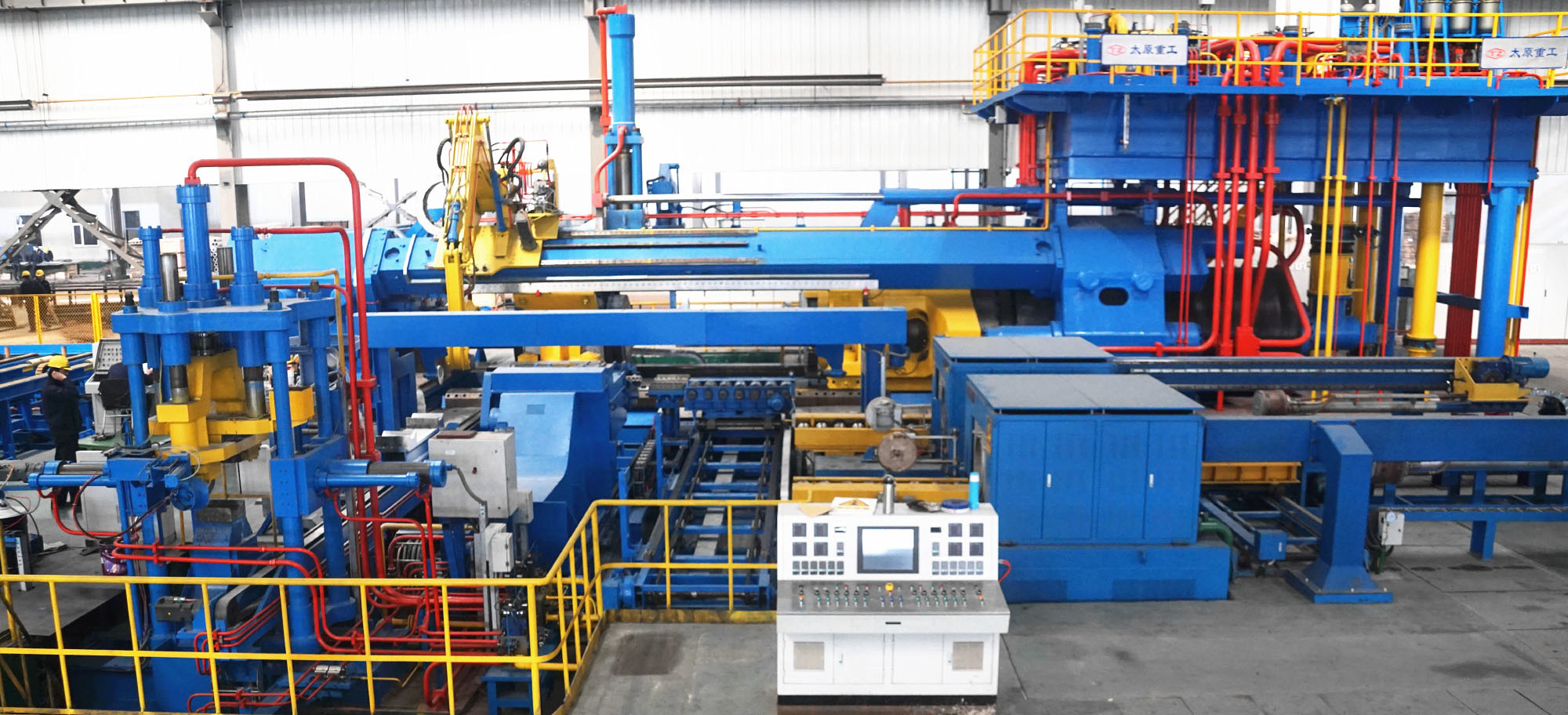
Extrusion is a common method used to create complex shapes and profiles, allowing manufacturers to produce customized components.
7.2 Forging
Forging techniques further enhance the strength of the alloy, making it suitable for high-stress applications.
7.3 Welding and Joining Methods
Advanced welding techniques ensure strong joints and connections, maintaining the integrity of components made from 7475 aluminum.
8. The Future of 7475 Aluminum Alloy
As industries continue to prioritize sustainability and performance, the future of 7475 aluminum alloy looks promising. Ongoing research focuses on improving its properties and expanding its applications:
8.1 Sustainable Practices
Efforts are underway to enhance recycling processes for aluminum alloys, making 7475 an even more environmentally friendly option.
8.2 Technological Advancements
Emerging technologies, such as additive manufacturing, are expected to pave the way for innovative applications of 7475 aluminum in various sectors.
9. Frequently Asked Questions (FAQs)
9.1 What are the main advantages of 7475 aluminum alloy?
7475 aluminum alloy offers high strength, lightweight properties, excellent corrosion resistance, and good machinability, making it ideal for various applications.
9.2 In which industries is 7475 aluminum commonly used?
7475 aluminum is commonly used in aerospace, automotive, marine, and construction industries due to its versatile properties.
9.3 Can 7475 aluminum be recycled?
Yes, 7475 aluminum alloy is recyclable, which contributes to its sustainability and reduced environmental impact.
9.4 How does 7475 aluminum compare to other aluminum alloys?
Compared to other aluminum alloys, 7475 offers superior strength and resistance to fatigue, making it suitable for high-performance applications.
9.5 What are the heat treatment options for 7475 aluminum?
7475 aluminum can be heat-treated to enhance its mechanical properties, including strength and toughness, tailored to specific requirements.
10. Conclusion
In conclusion, 7475 aluminum alloy stands out as a versatile and high-performance material across multiple industries. Its unique combination of strength, lightweight properties, and excellent corrosion resistance make it a preferred choice for applications ranging from aerospace to automotive and marine. As industries evolve and prioritize sustainability, the future of 7475 aluminum alloy is bright, promising further innovations and applications that will enhance its role in modern manufacturing. Understanding and harnessing the properties of 7475 aluminum will continue to drive advancements and efficiencies across various sectors, solidifying its status as a vital material in the metallurgical and energy industries.
Latest Developments








If you are interested in our products, please leave your E-mail and we will contact you as soon as possible. Thank you!